

















1973 De Tomaso Pantera
- Believed to be a U.S.-specification GTS example
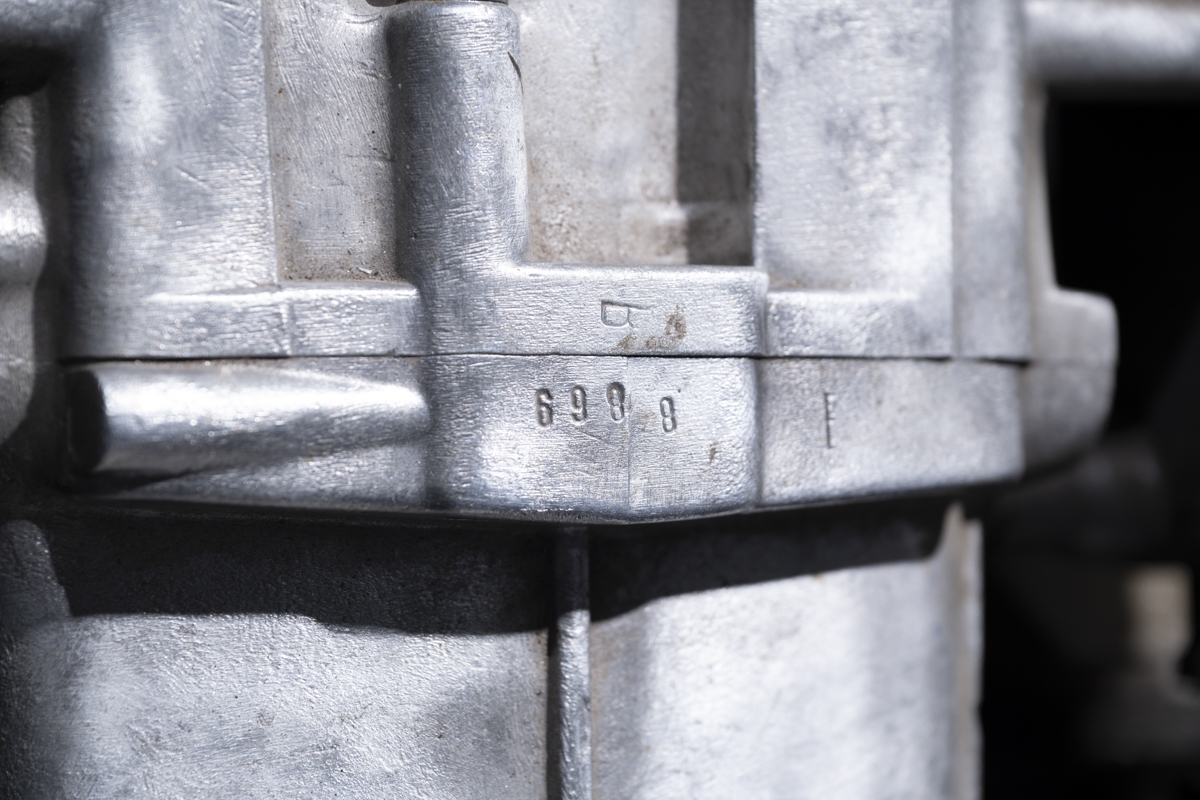
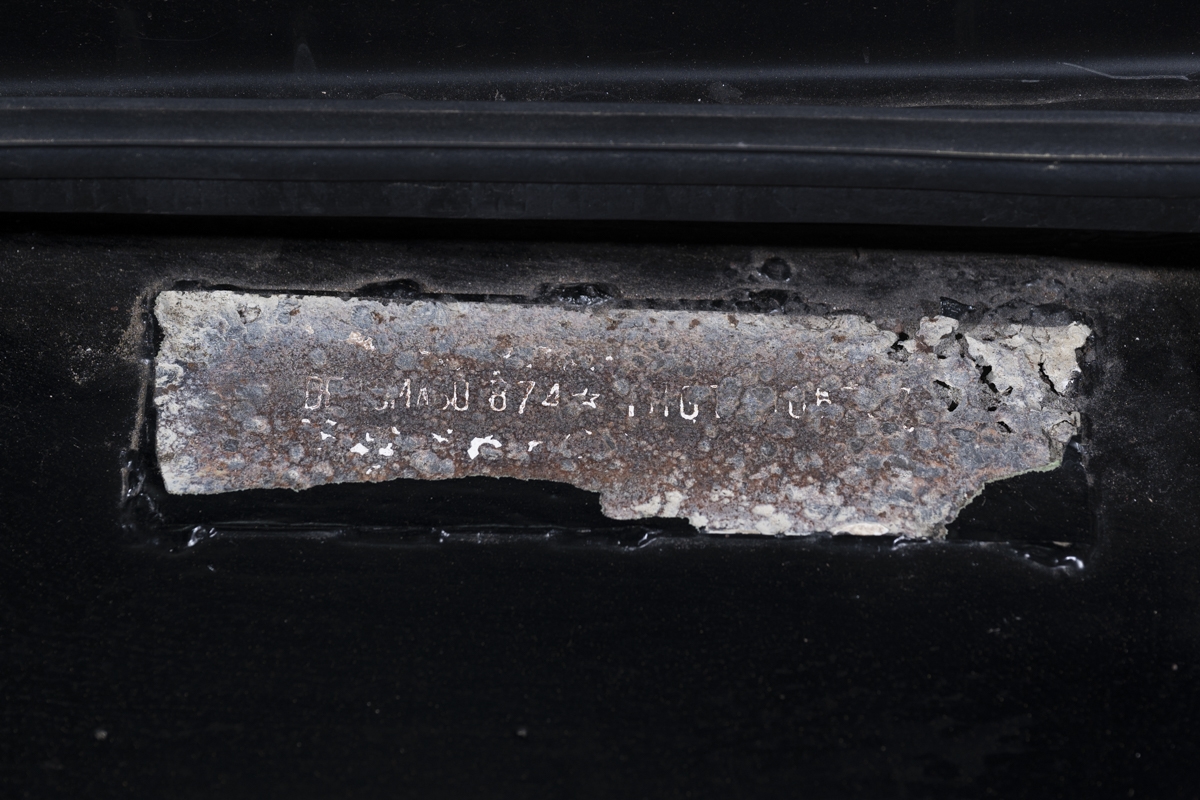
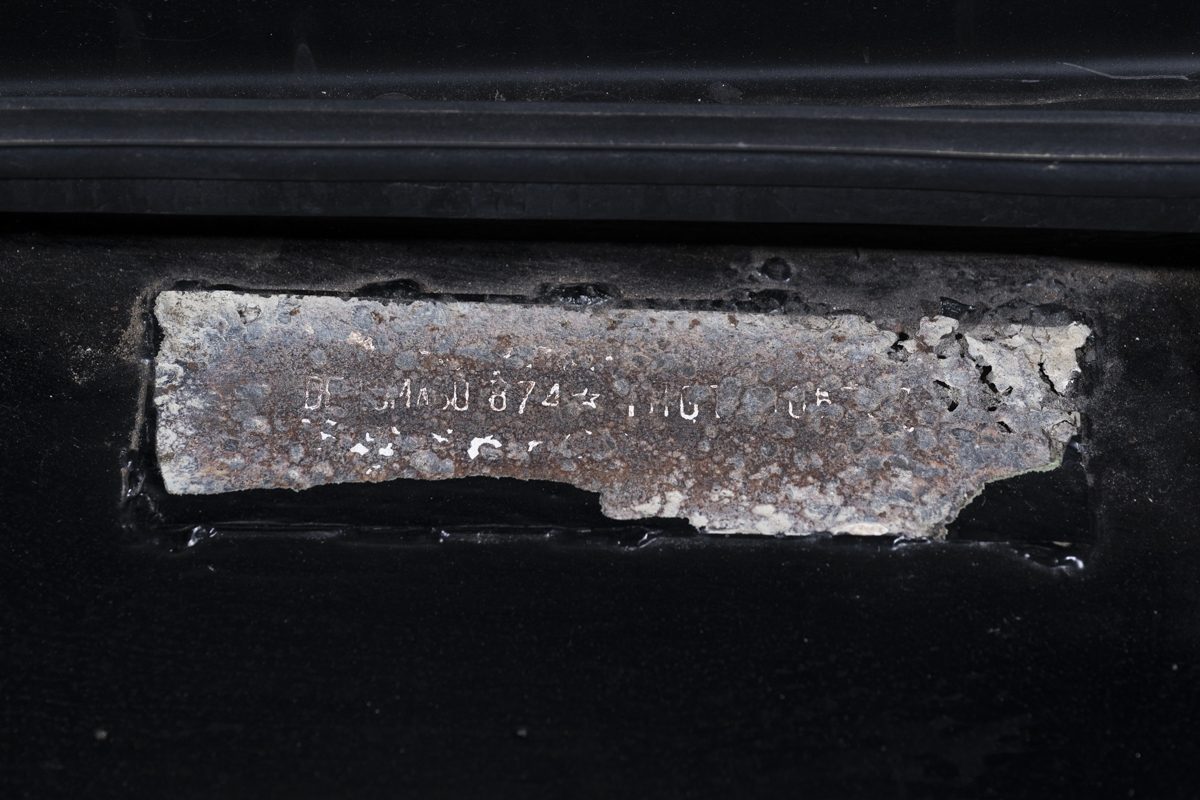
- Chassis stamping marked “GT” (currently carrying an official administrative chassis marking in Japan)
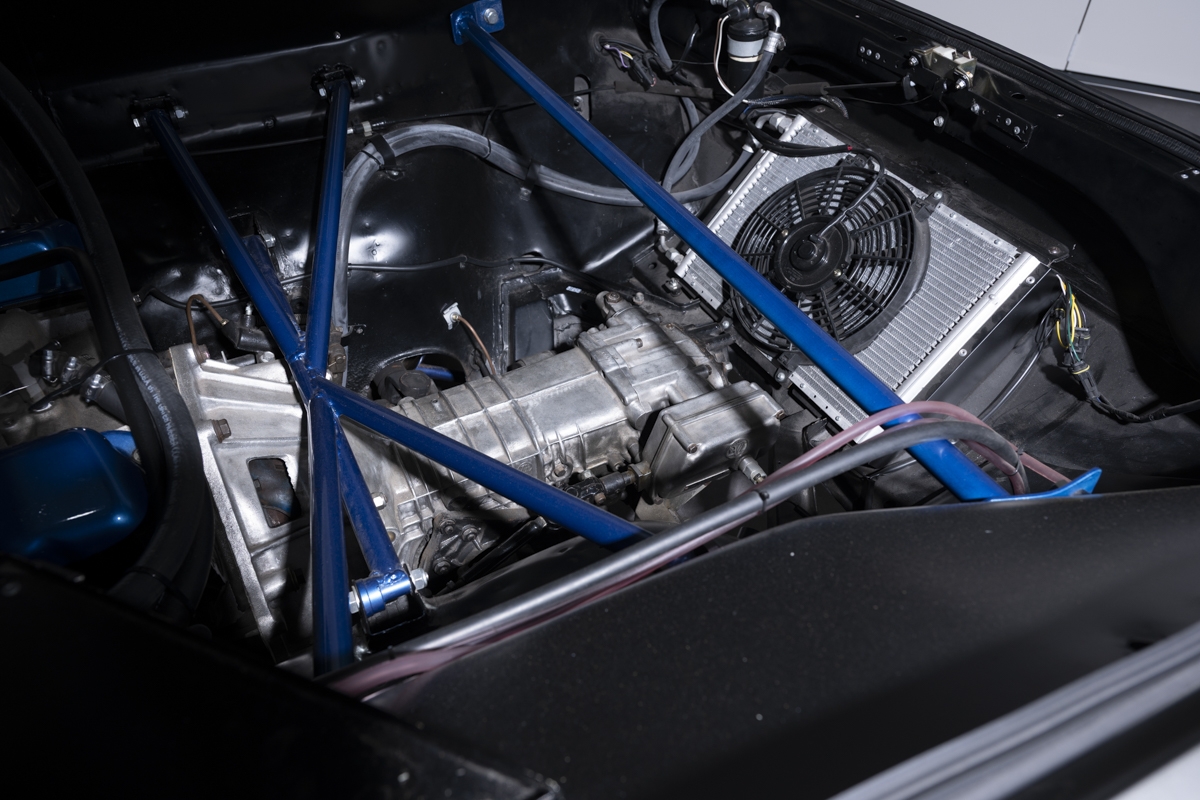
- Equipped with a ZF 5-speed manual transmission
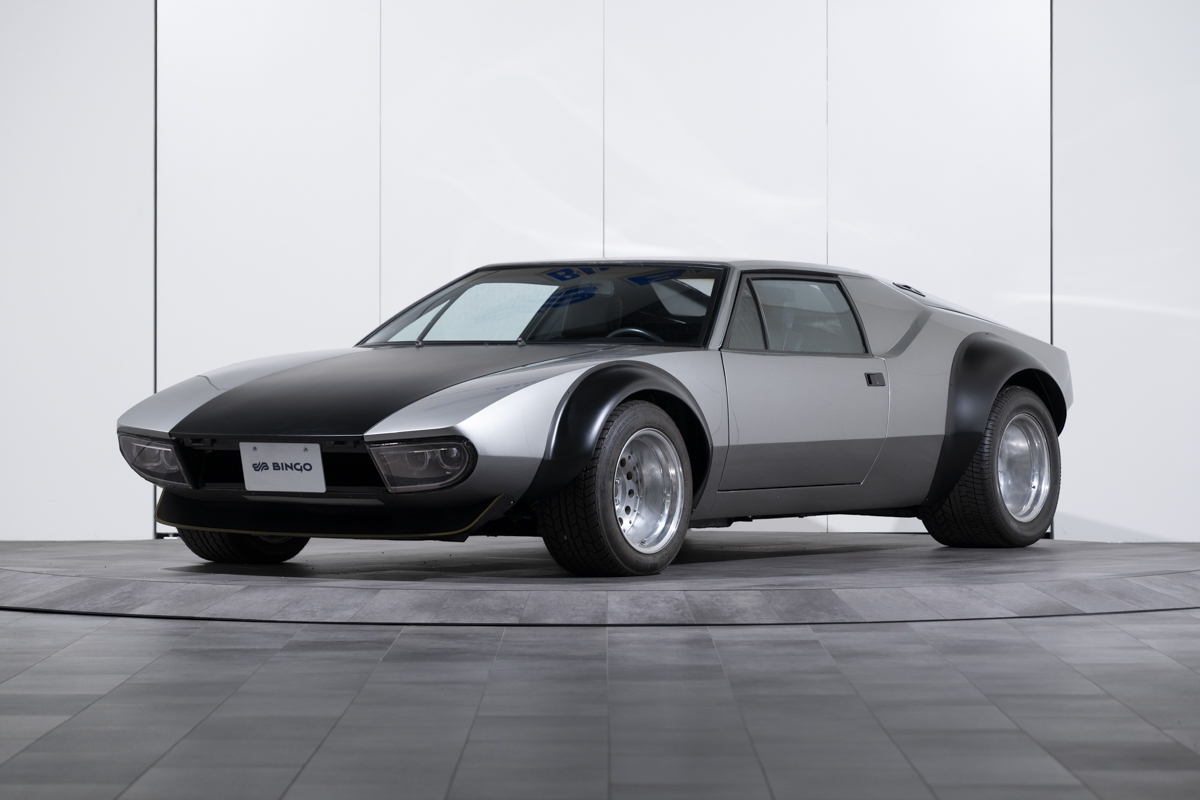
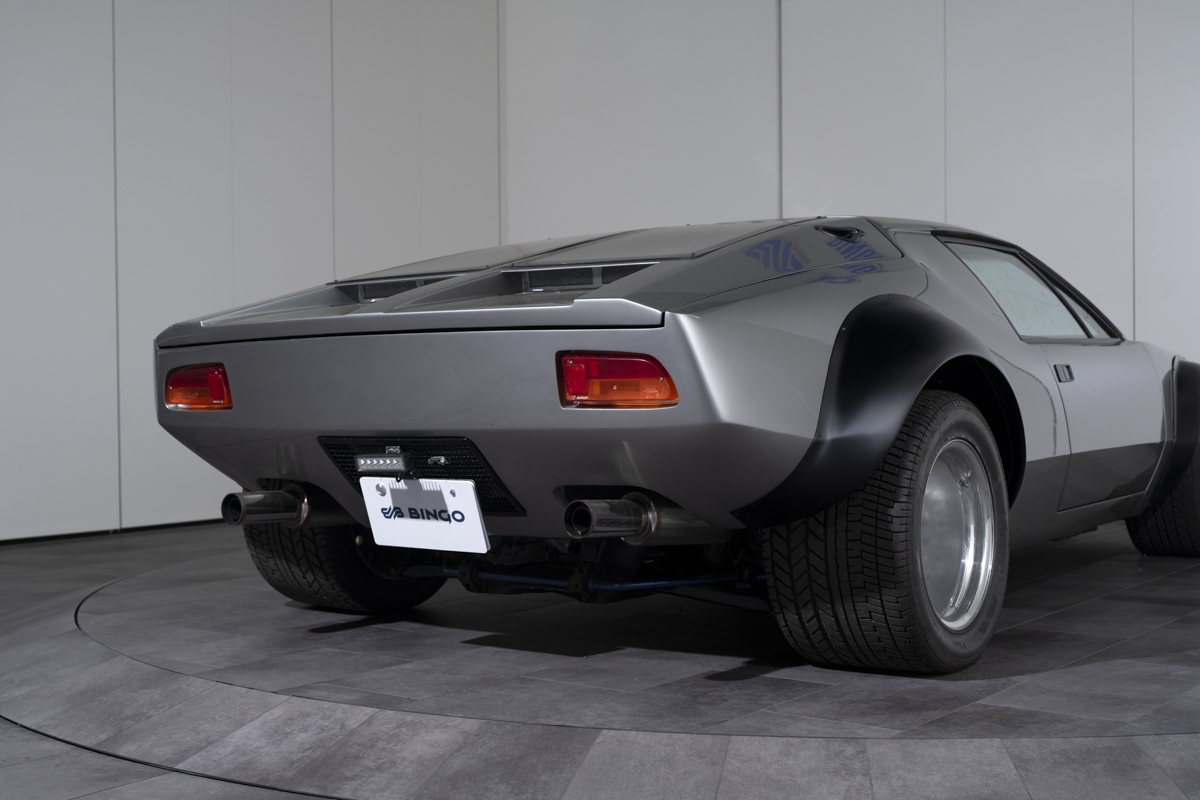
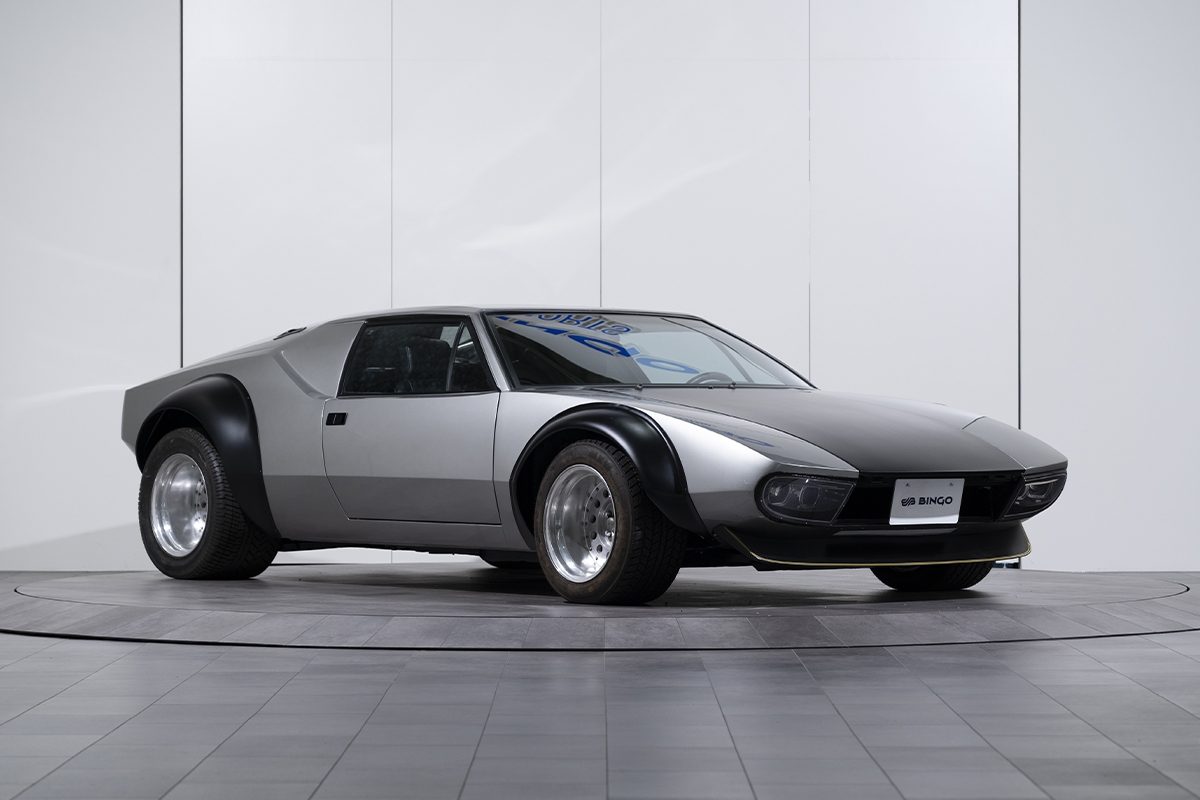
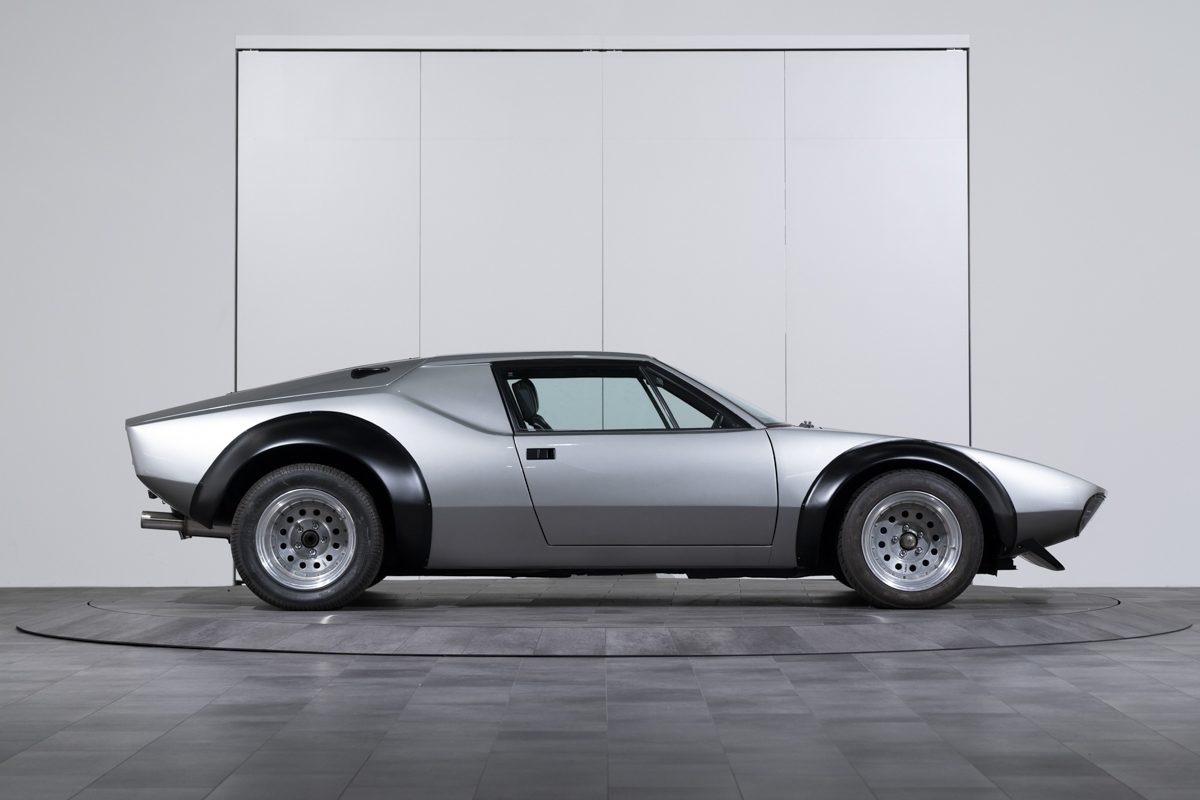
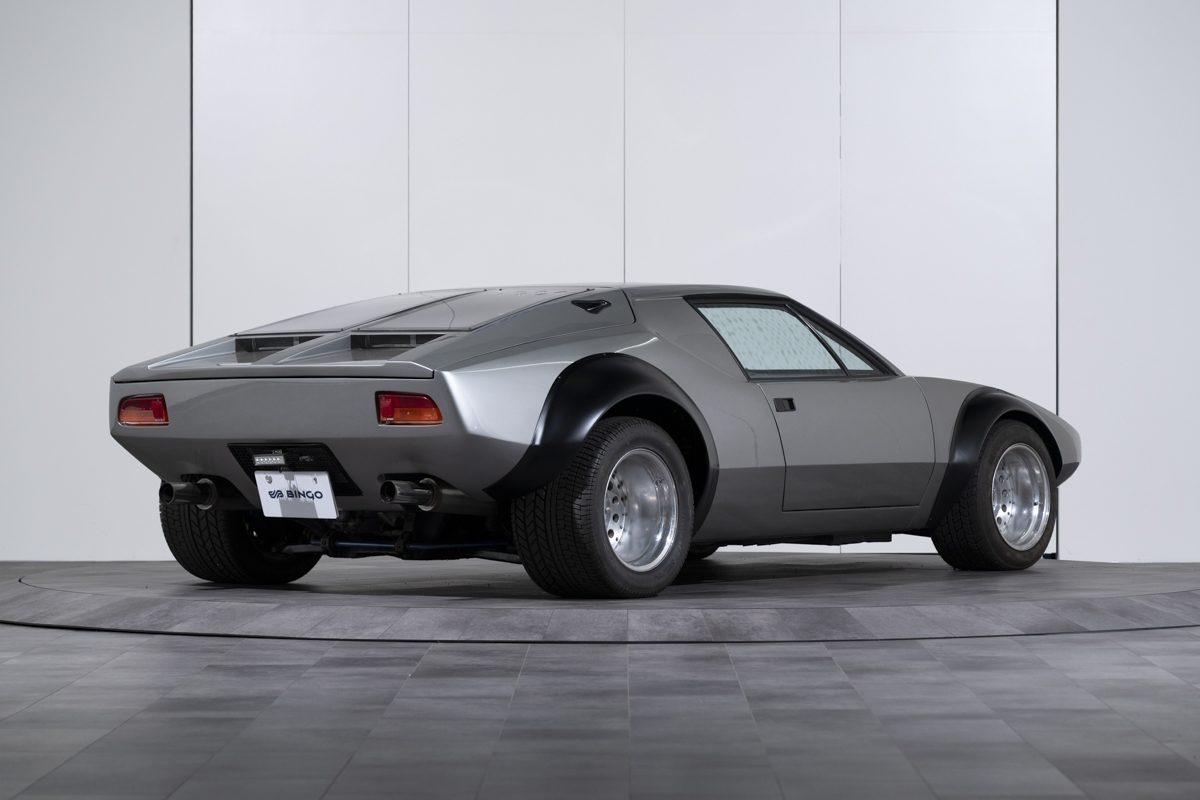
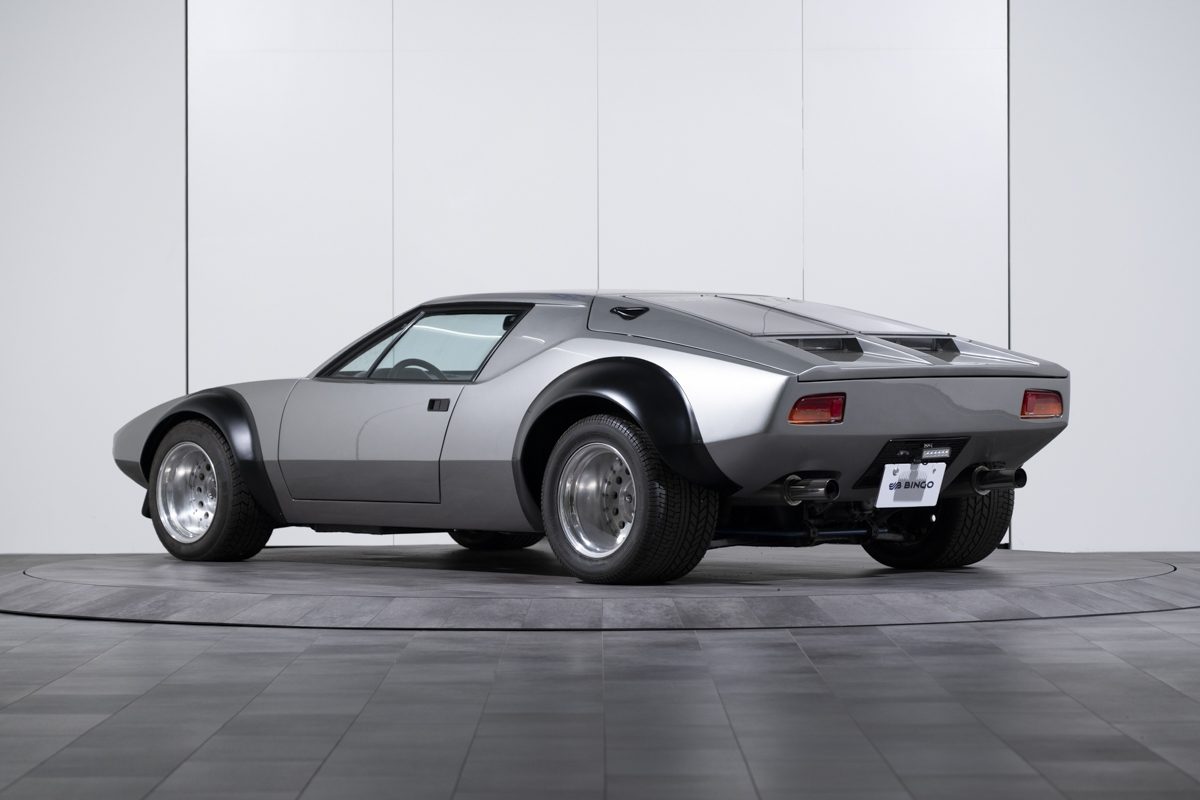
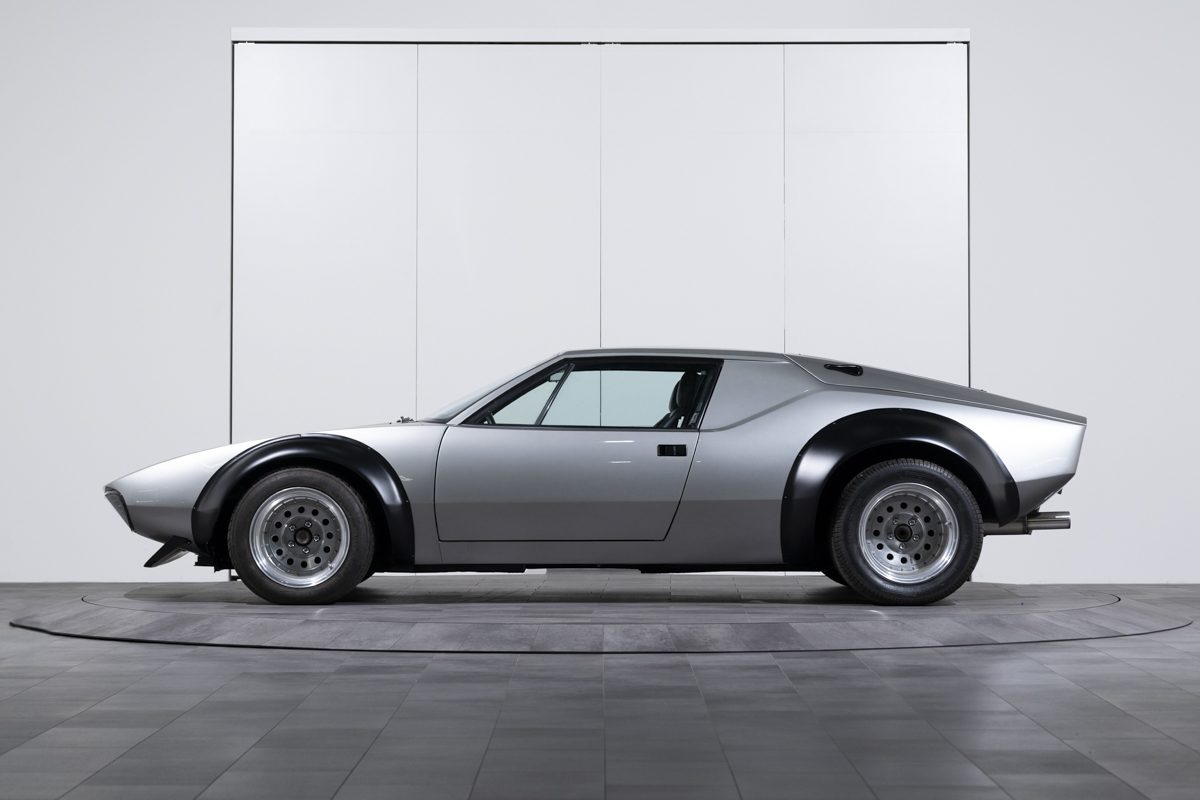
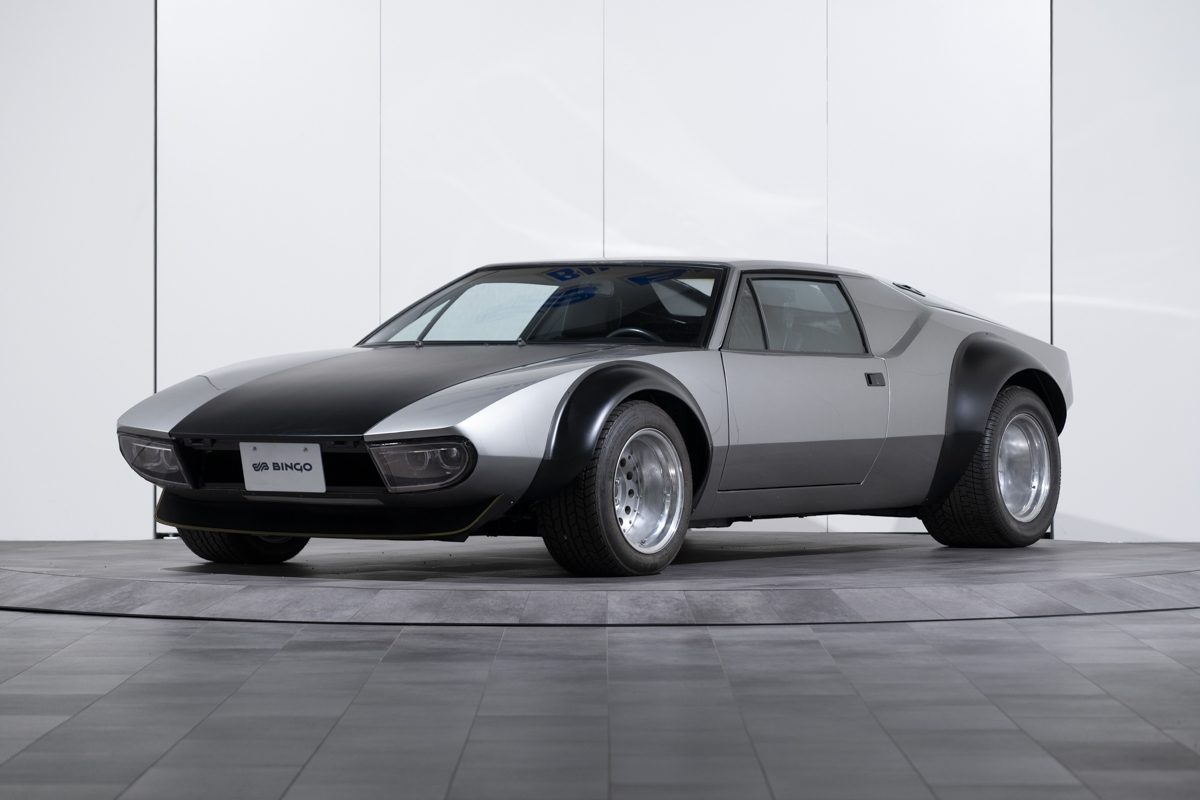
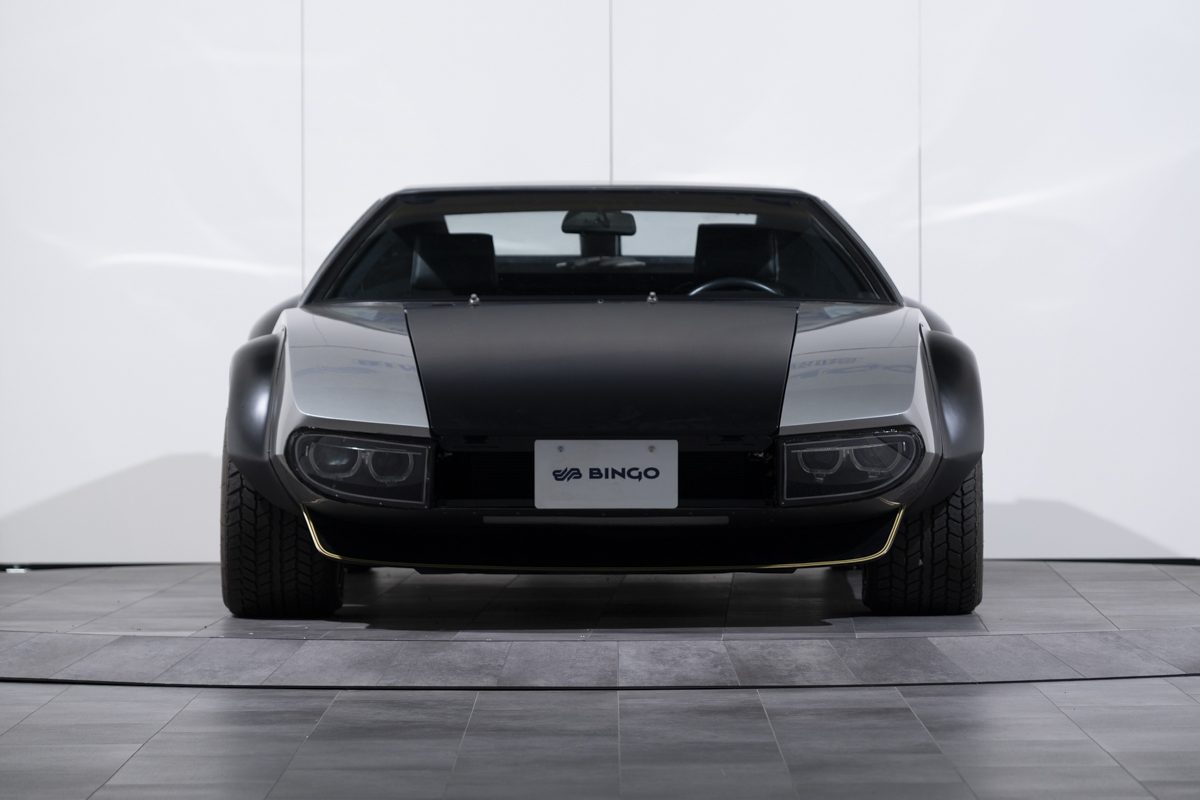
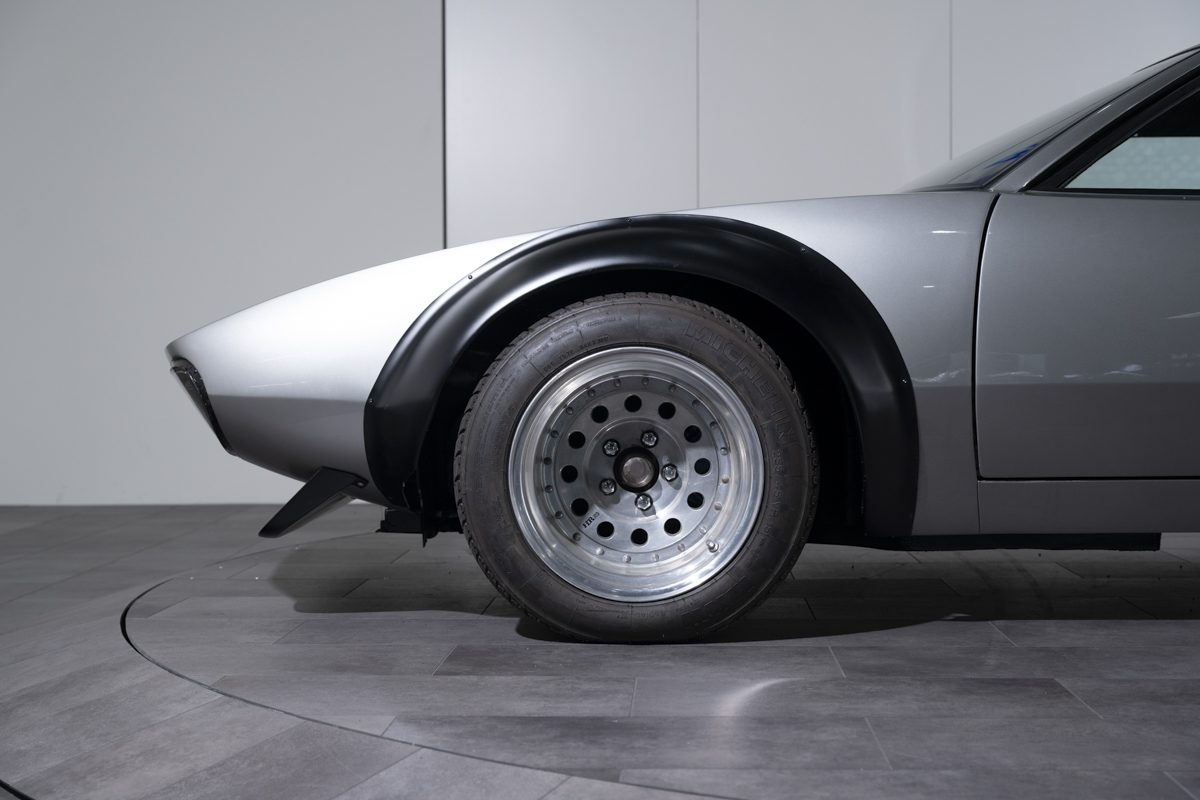
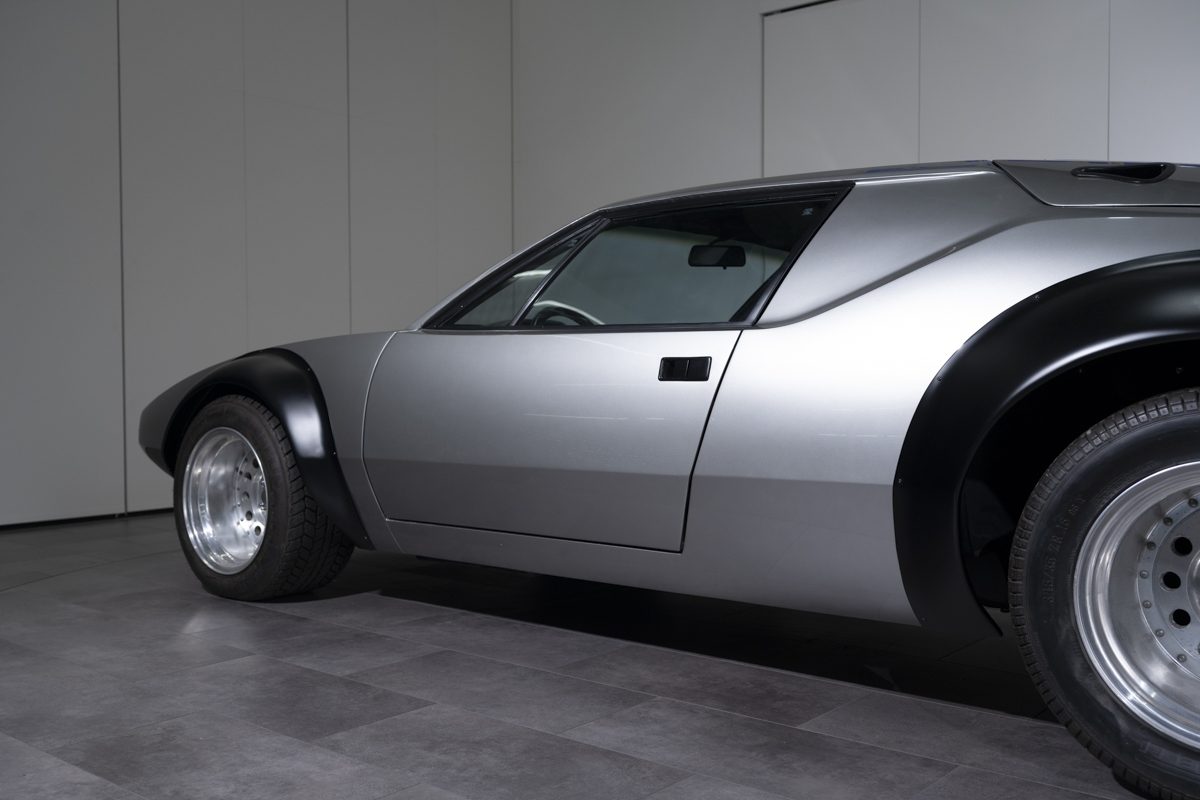
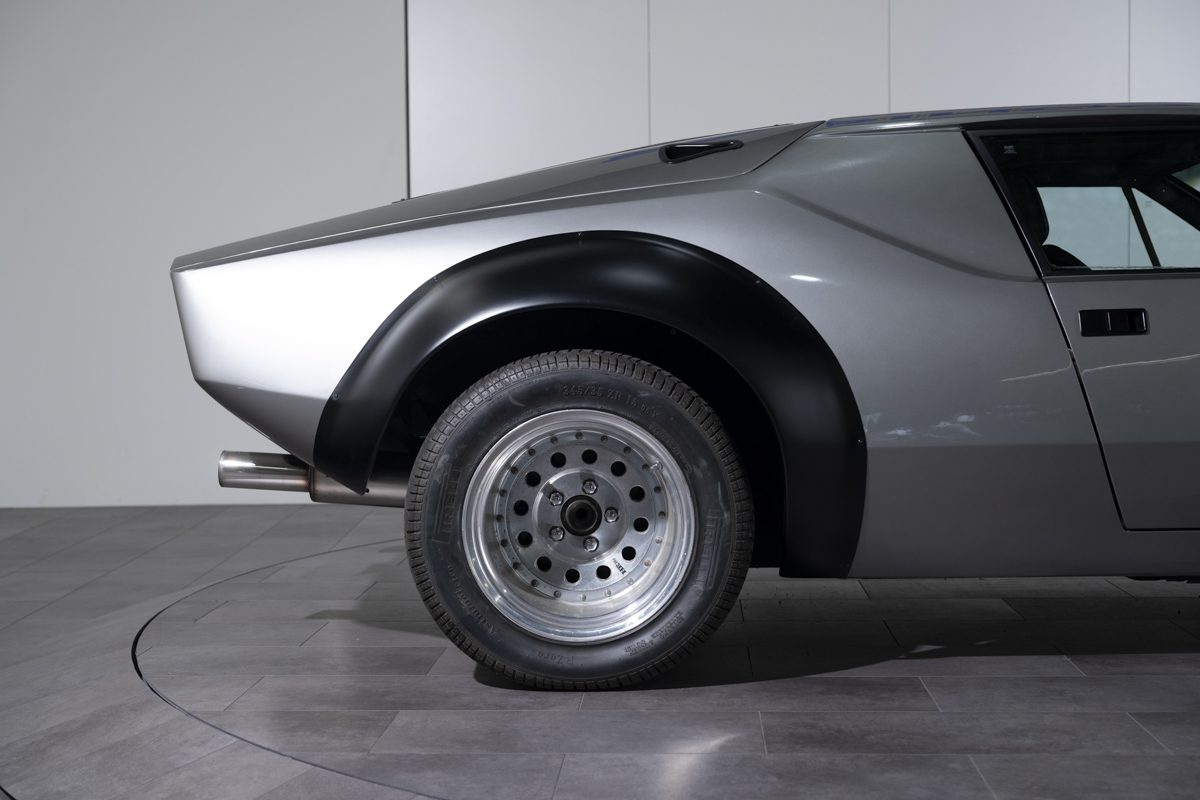
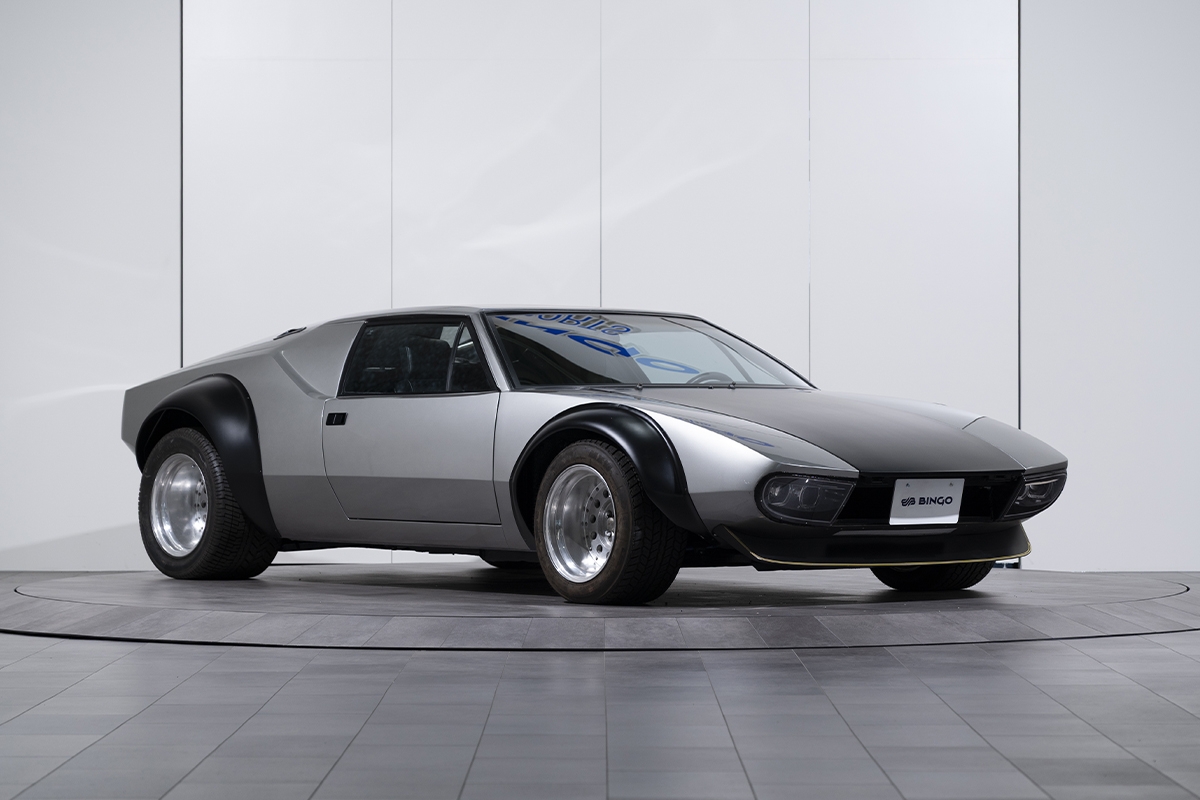
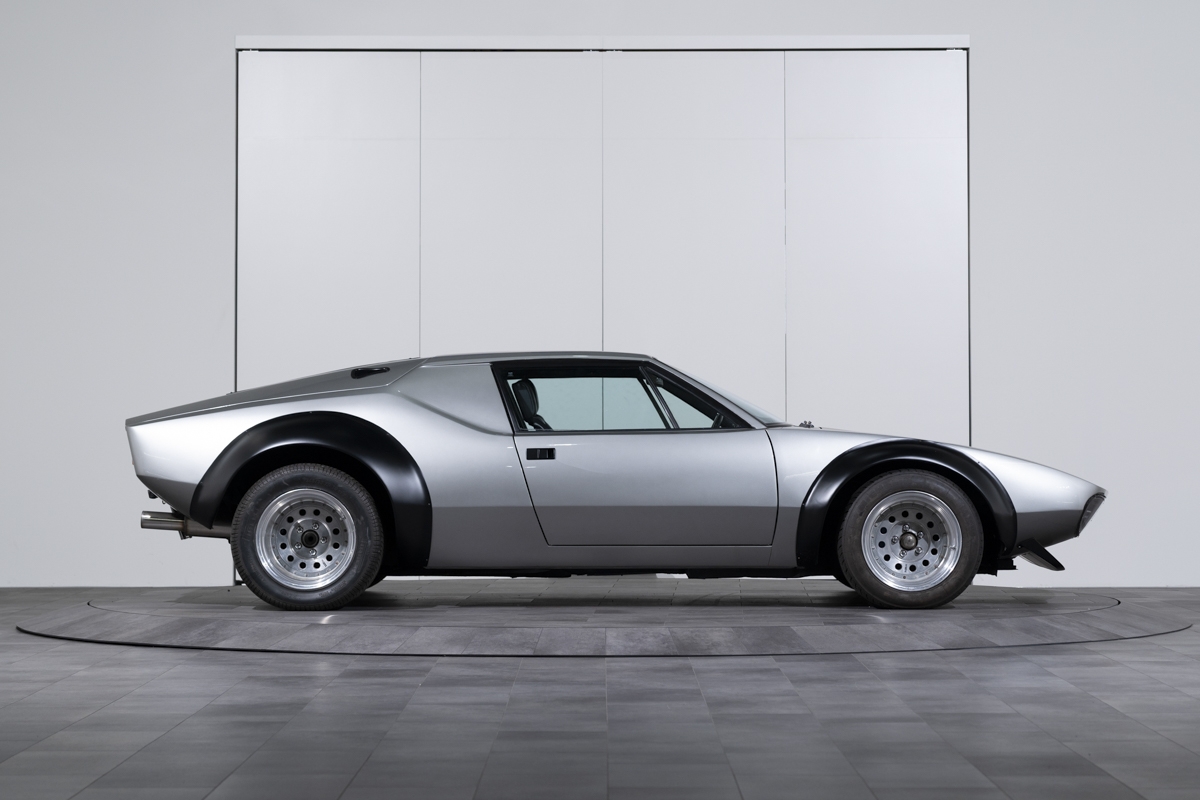
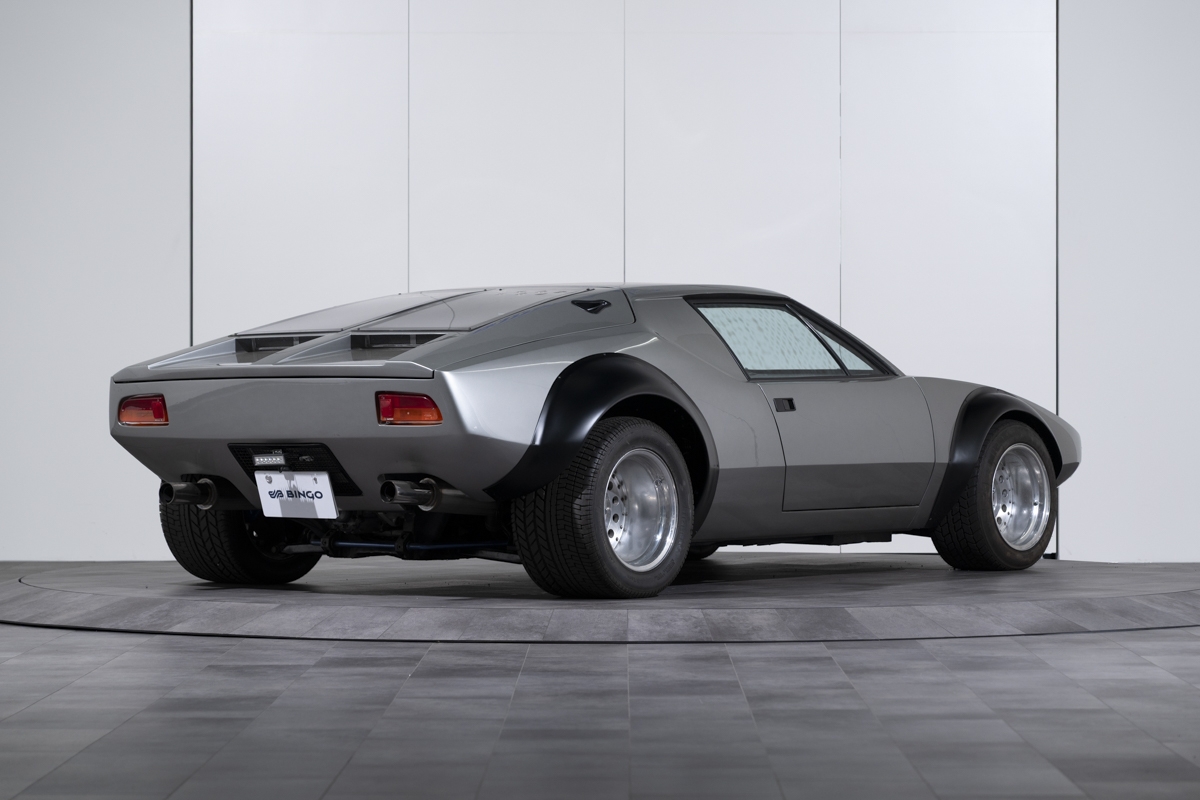
- Modified in the style of a Group 4 racing specification
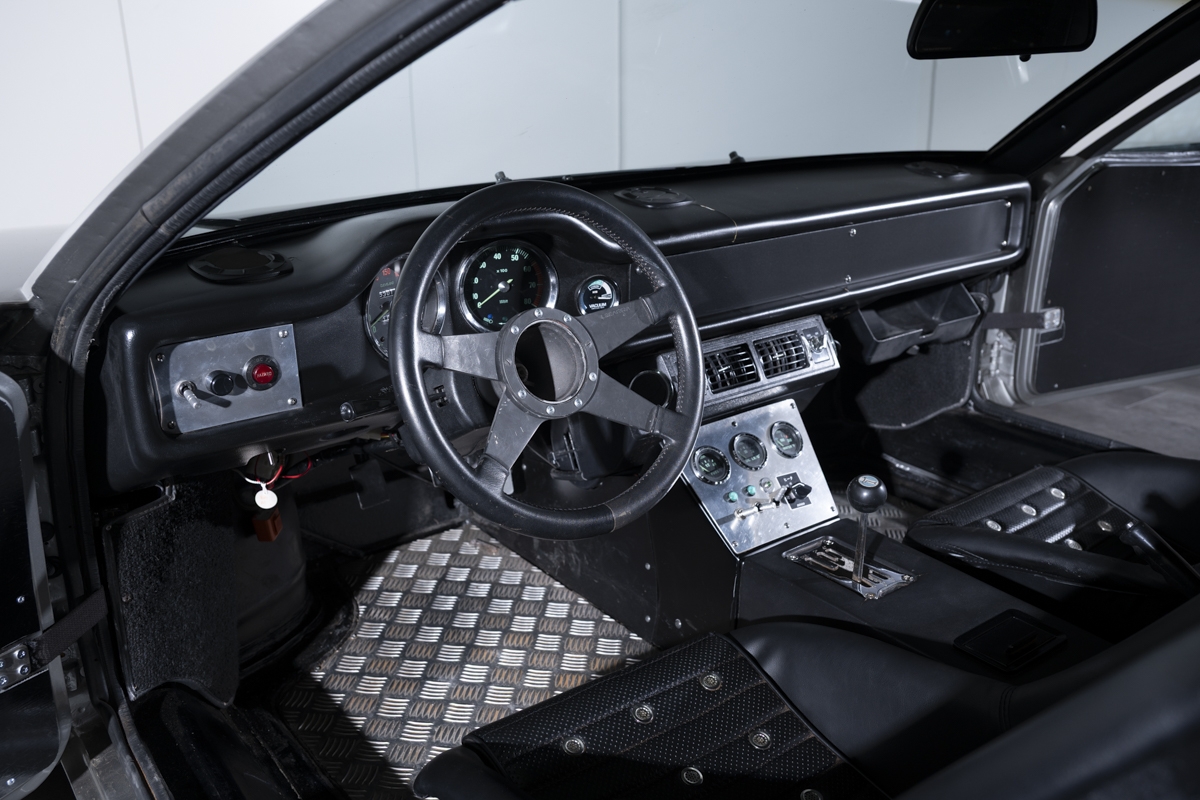
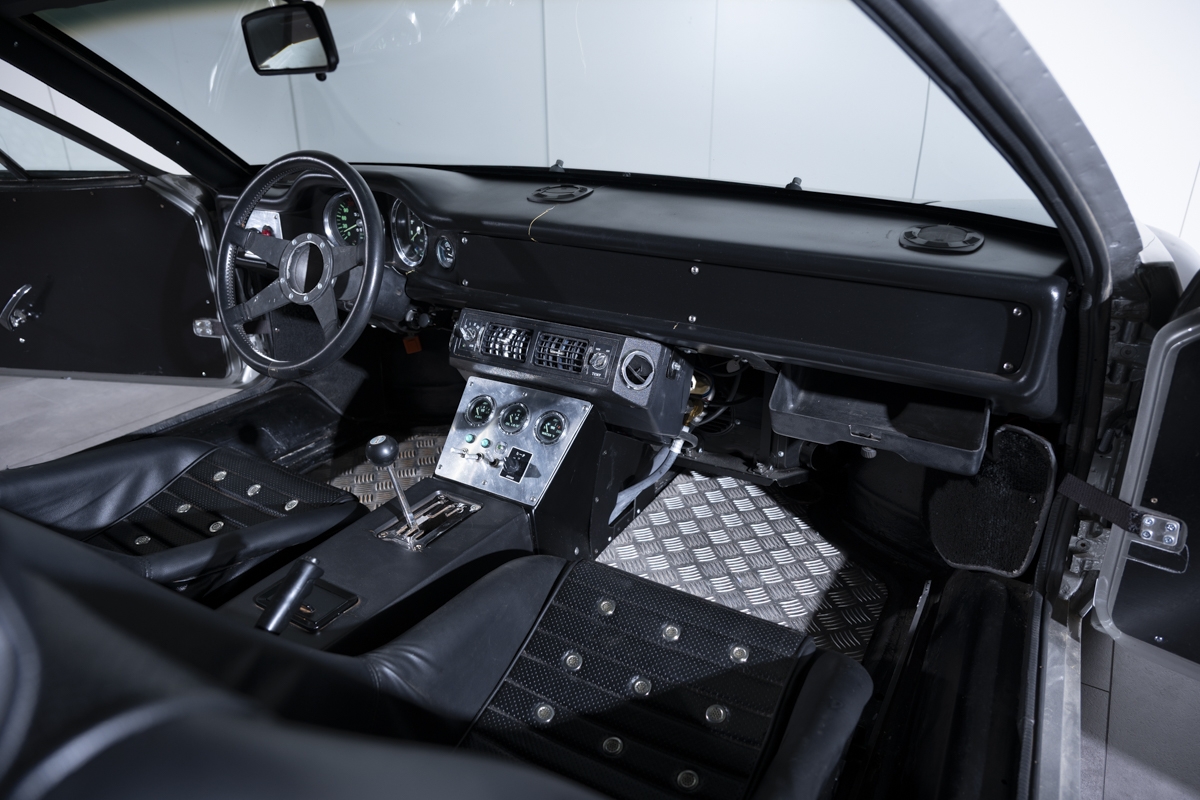
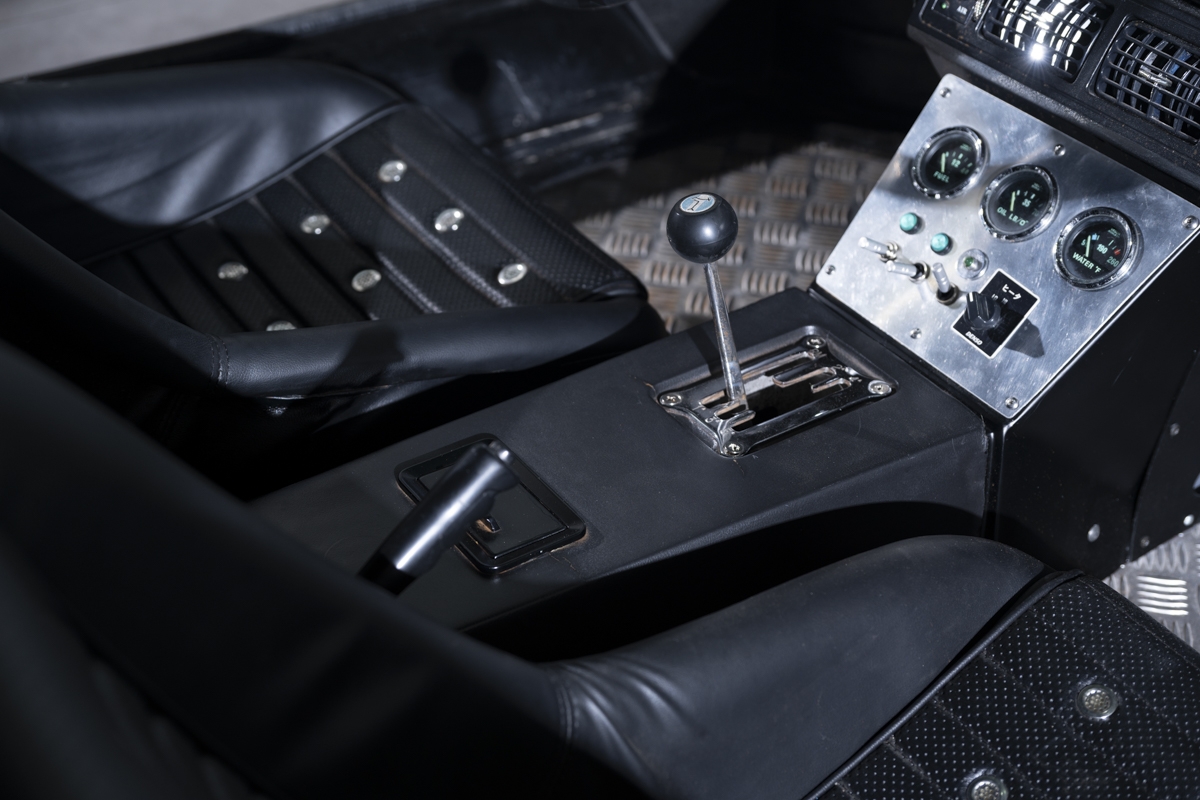
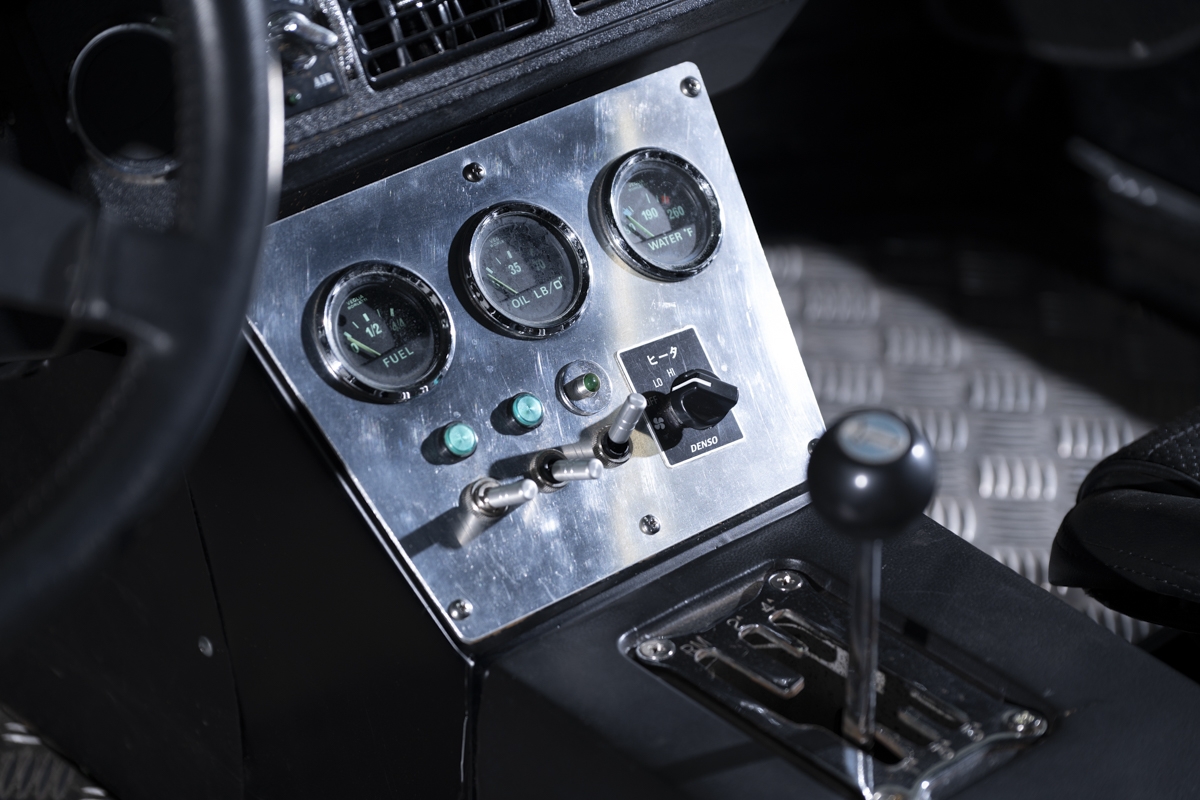
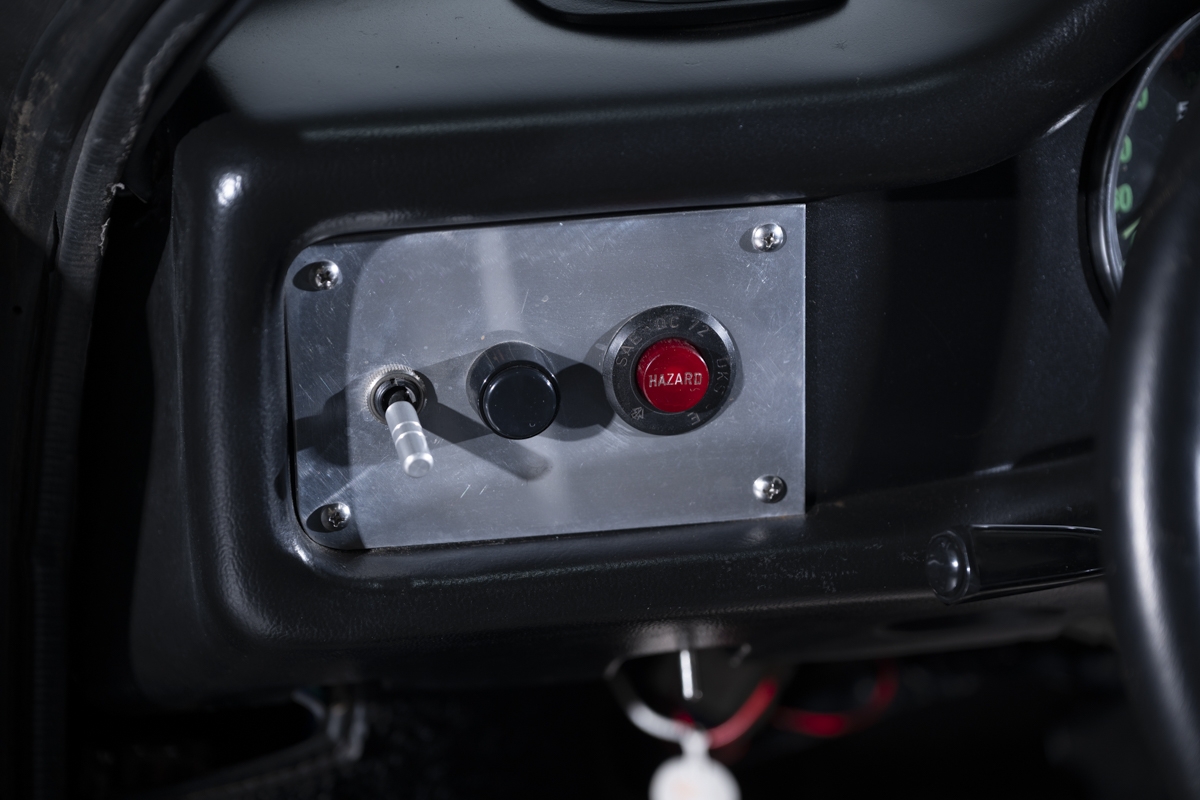
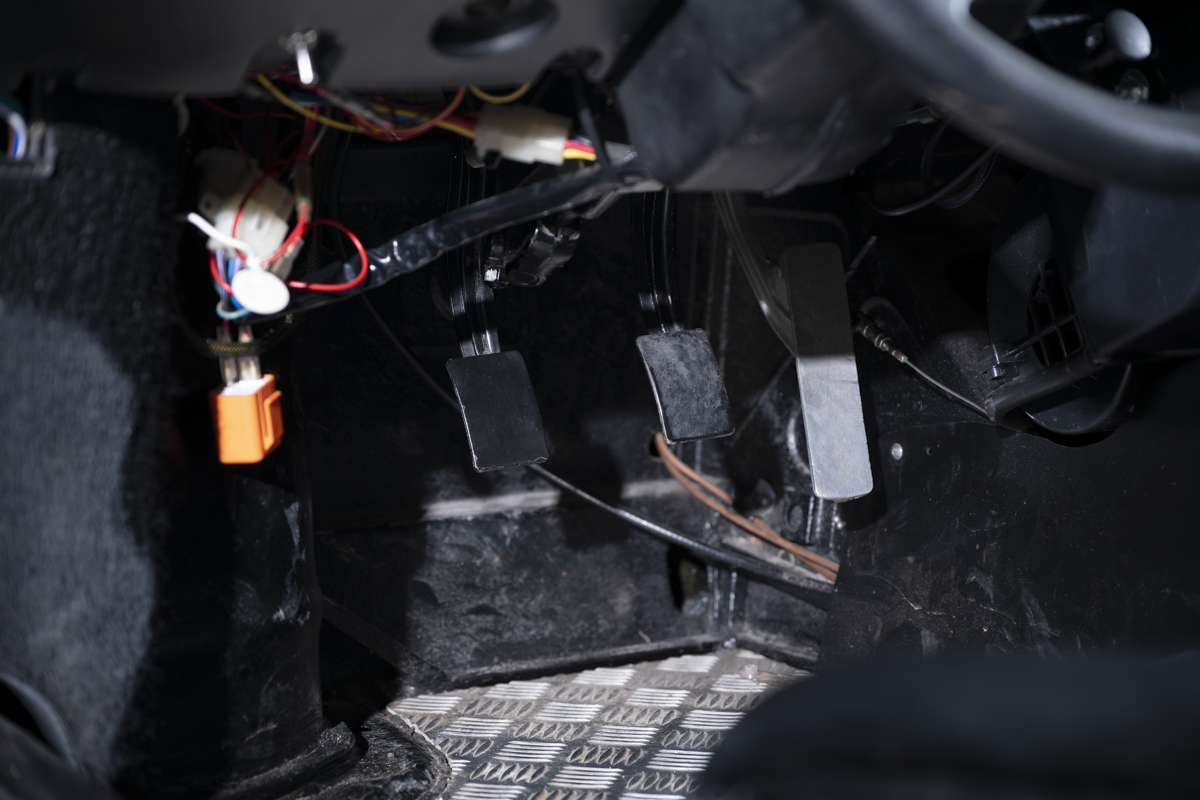
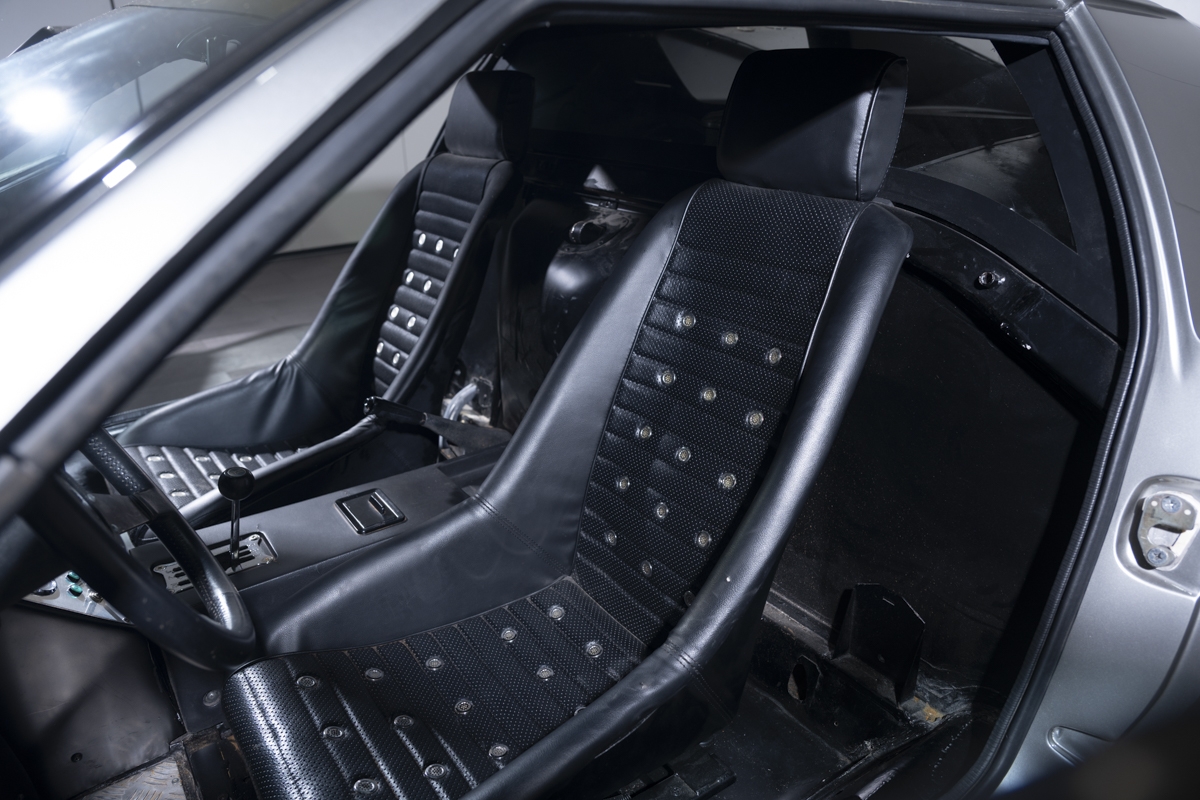
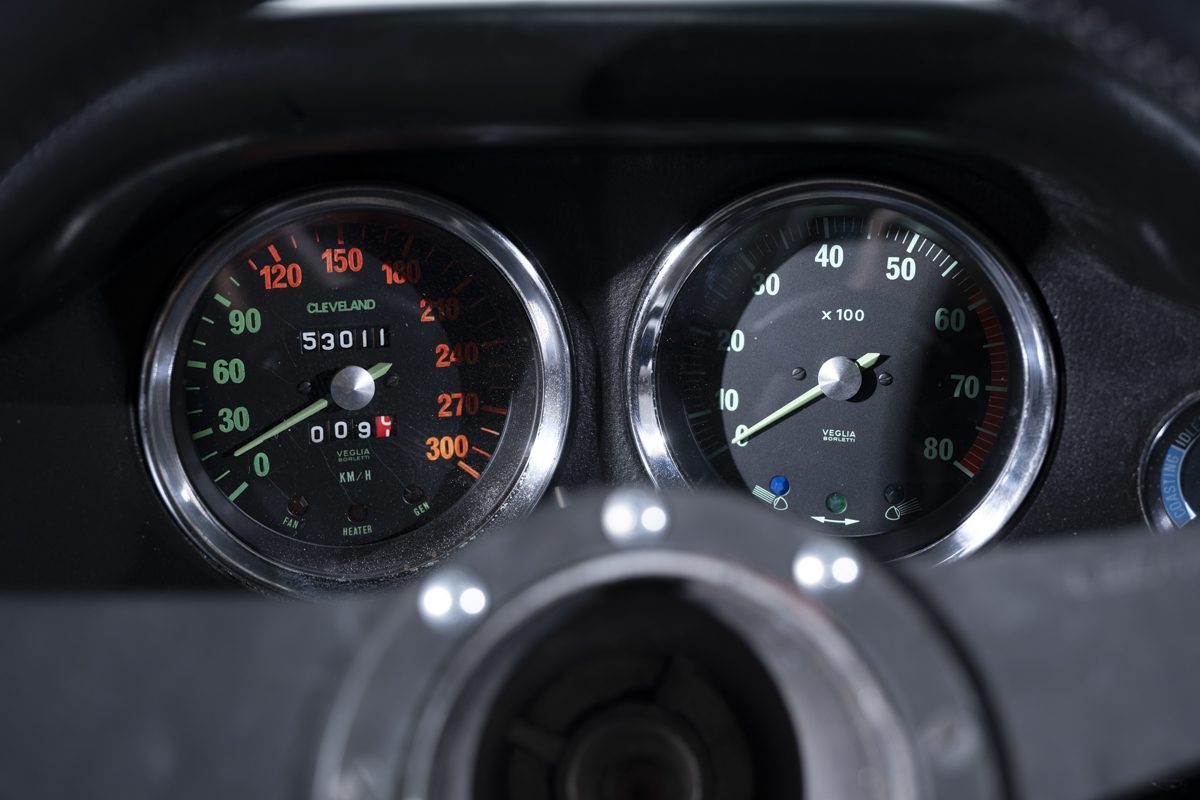
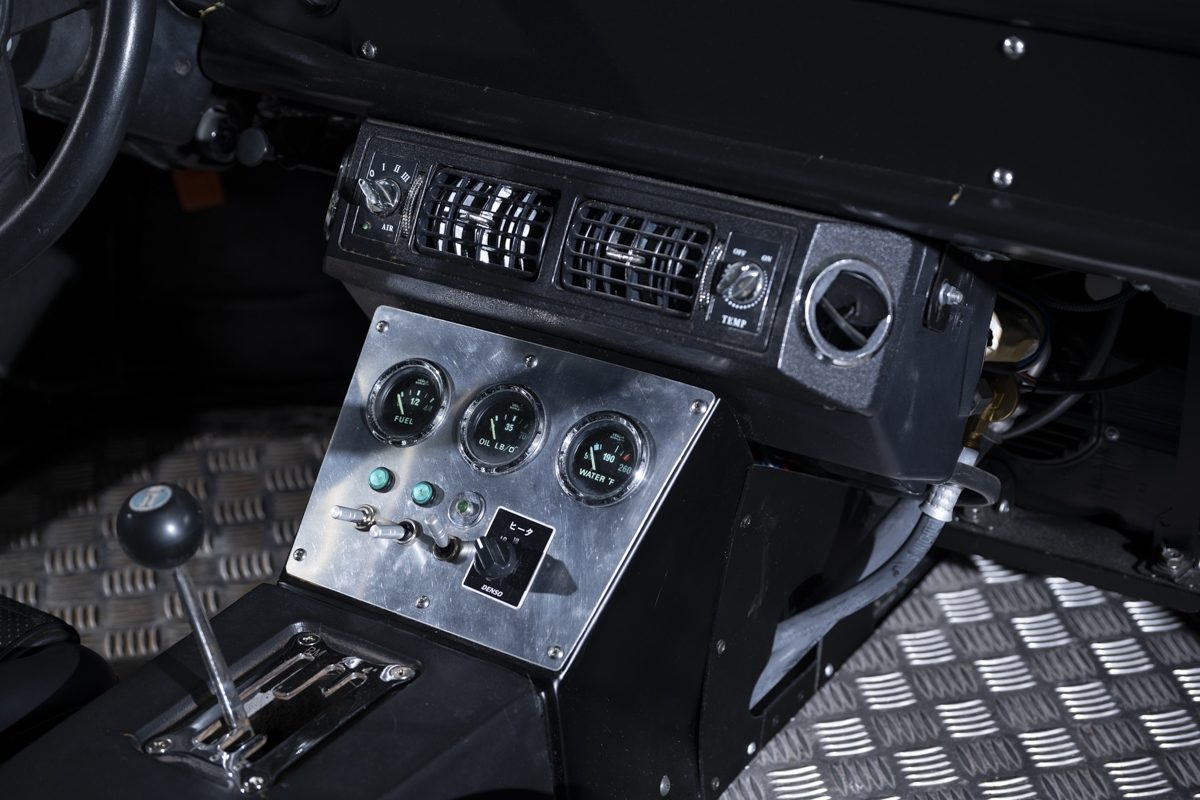
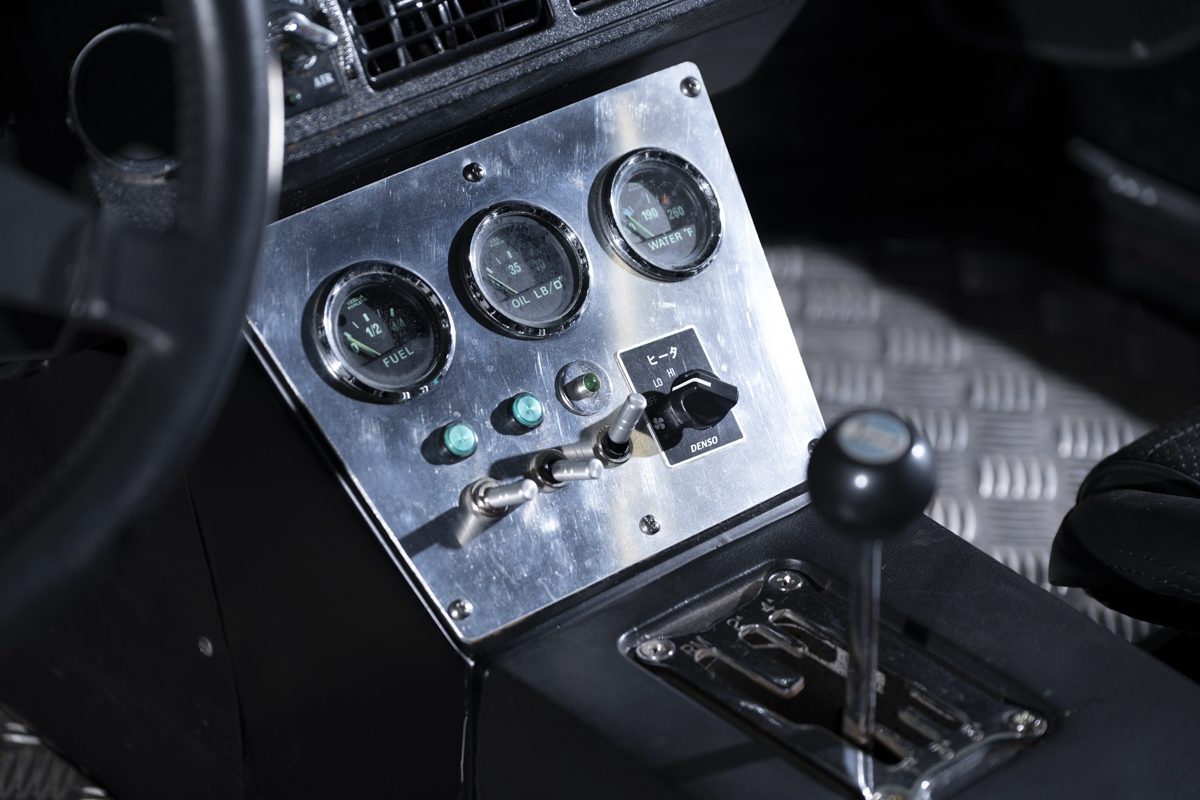
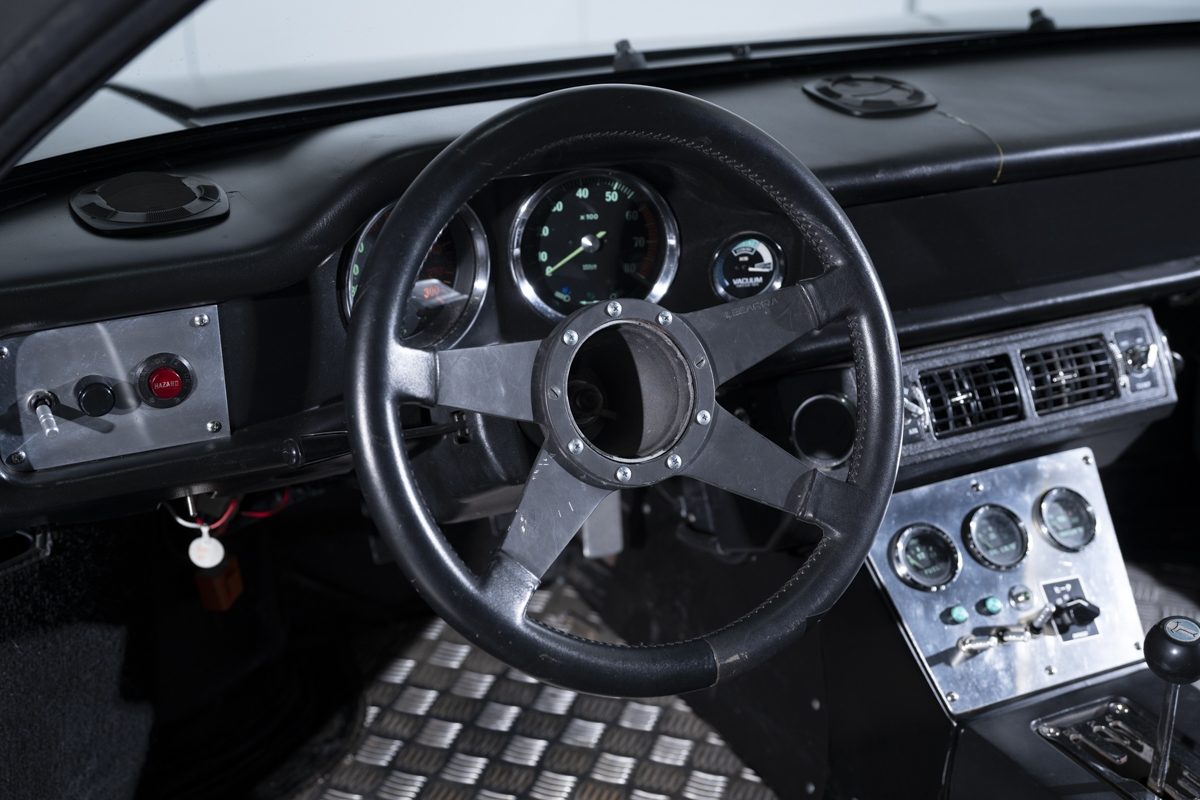
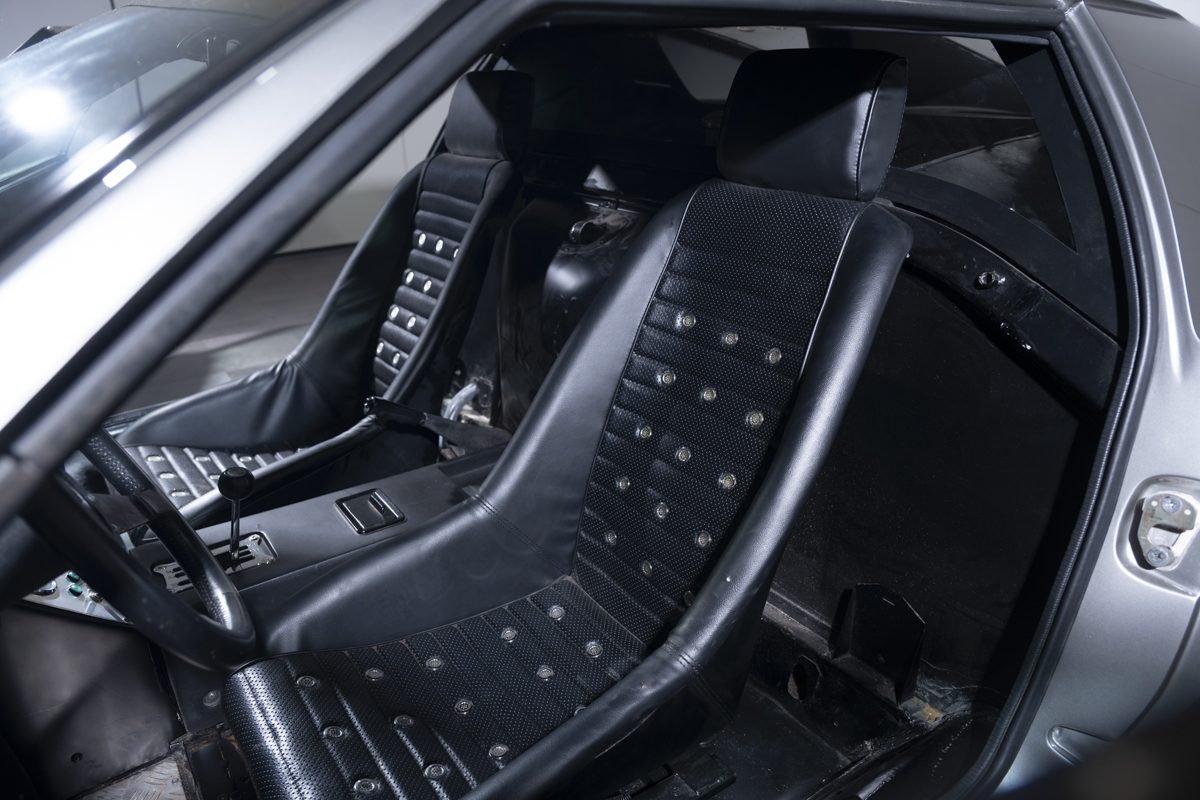
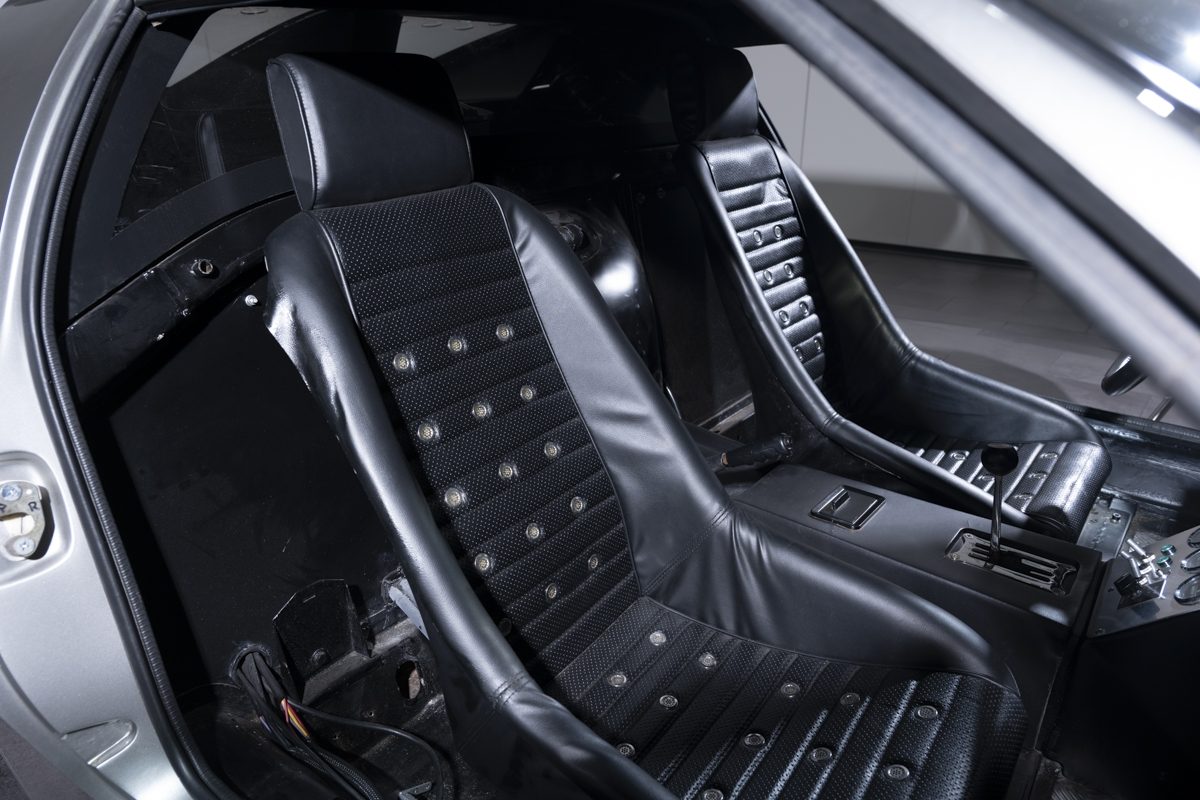
- Extensively modified interior
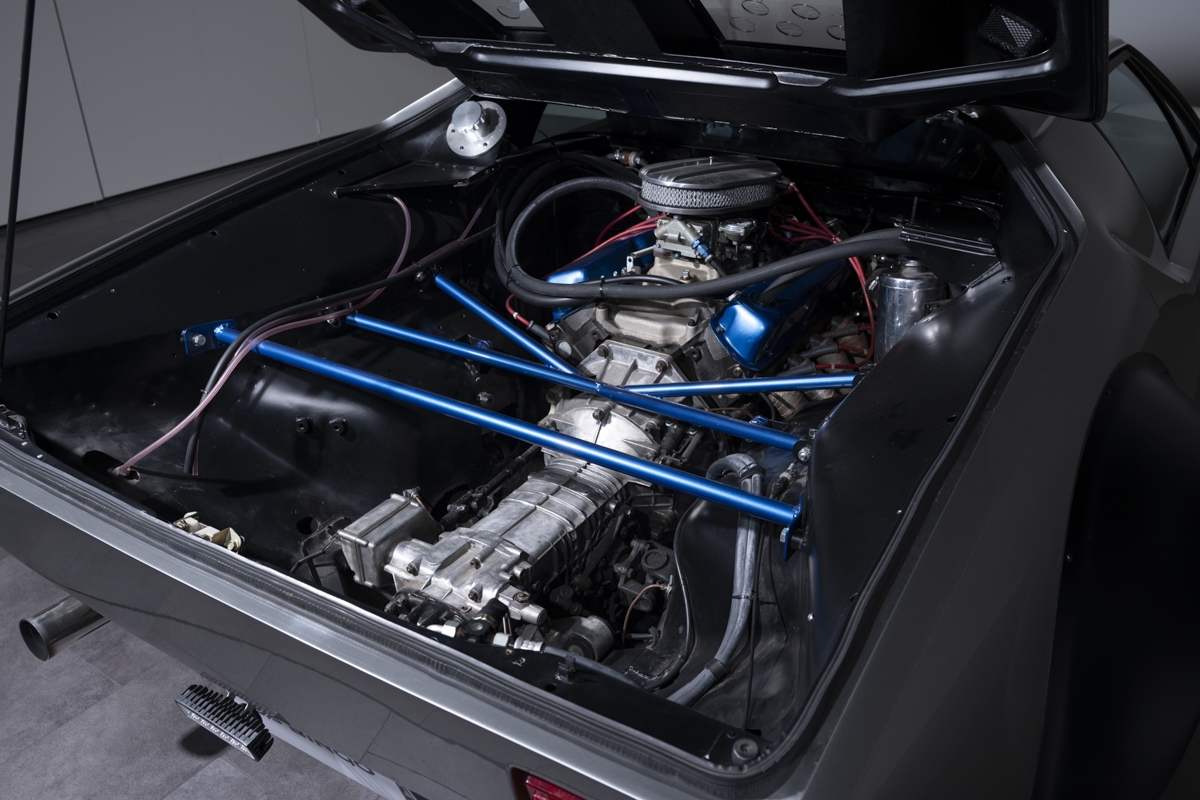
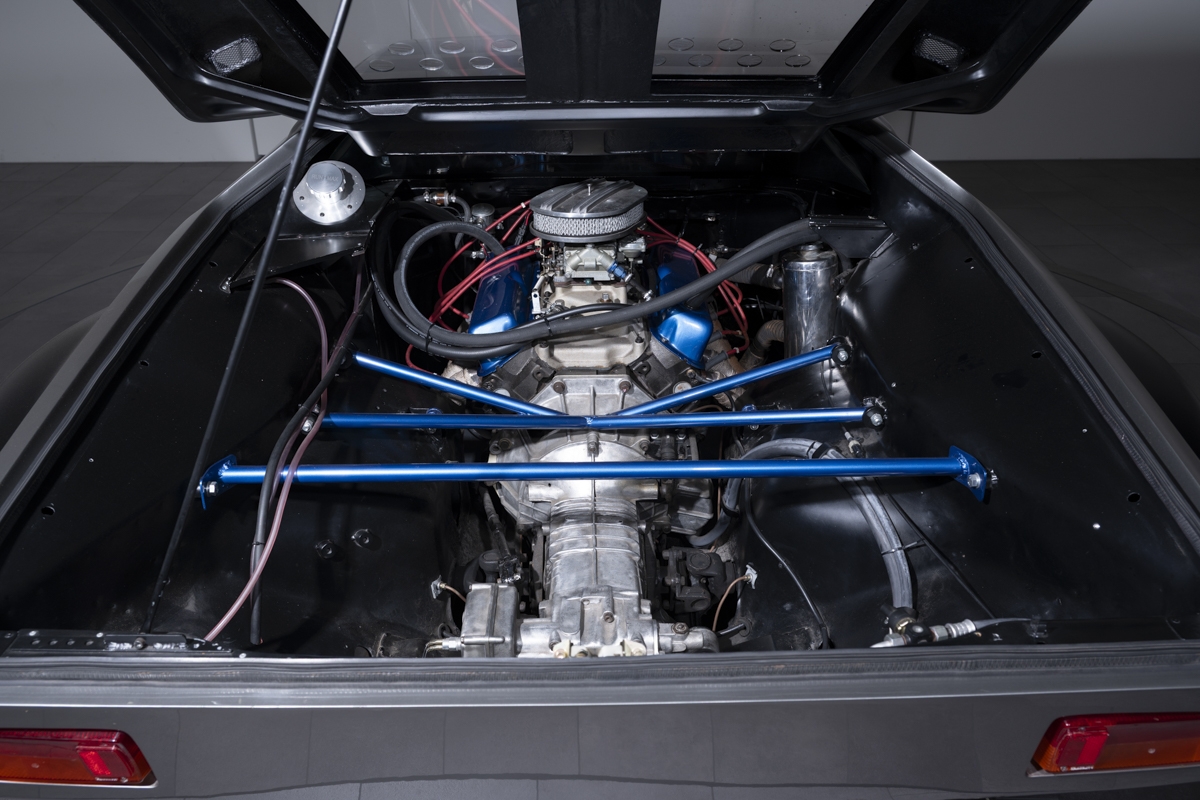
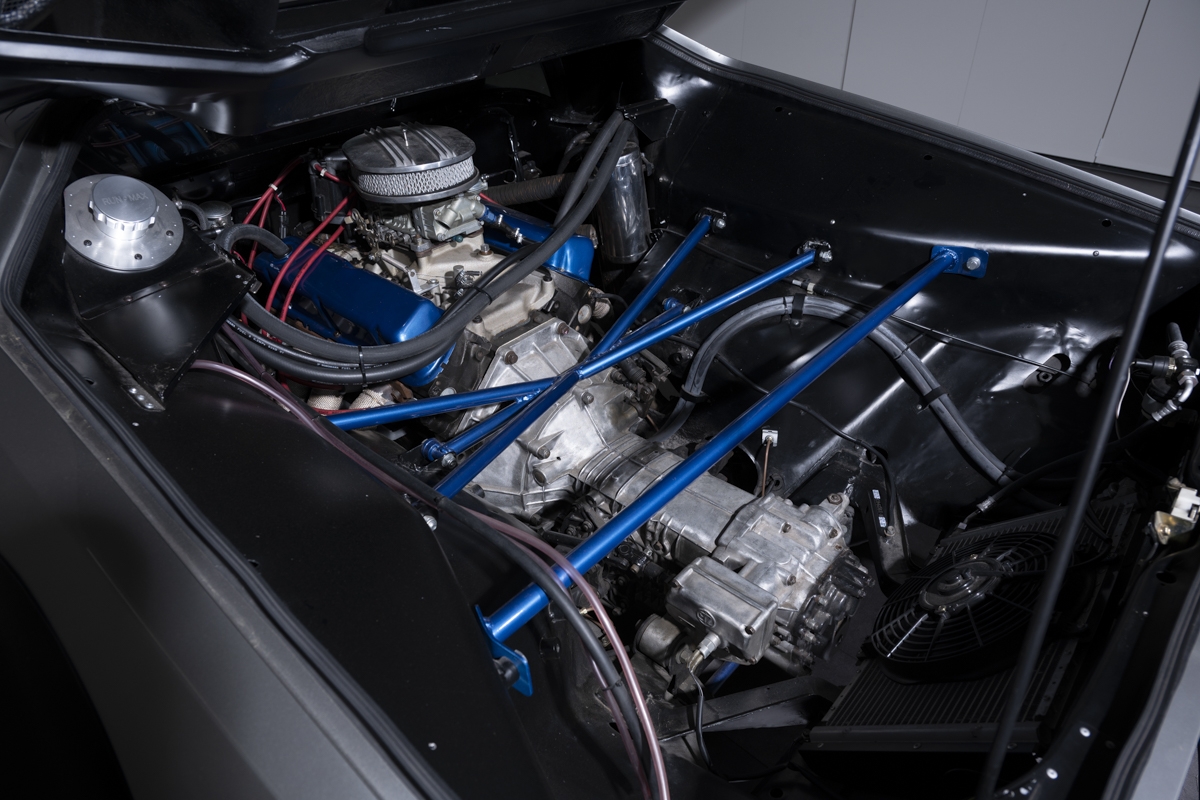
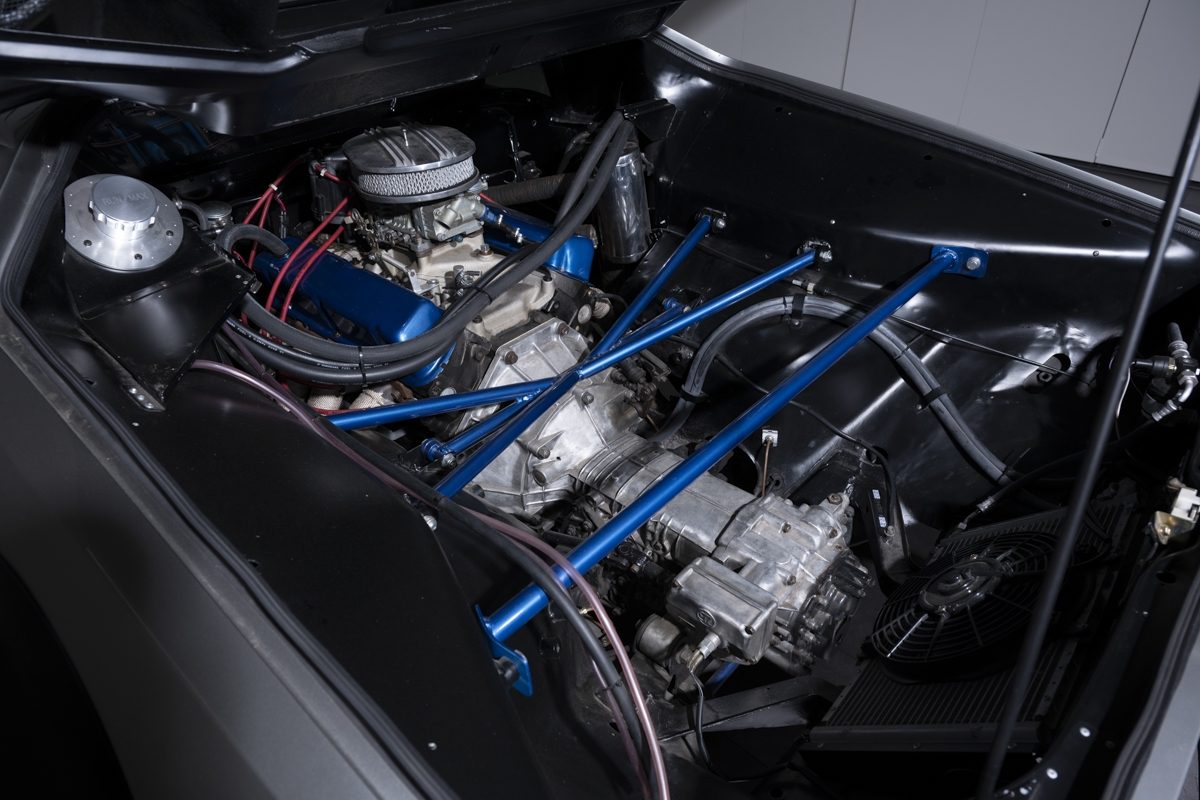
- Engine replaced in 1996
Born in 1971 through the remarkable collaboration between Italian entrepreneur Alejandro de Tomaso and Henry Ford II, the De Tomaso Pantera combined striking Italian design with dependable American V8 power in a way few cars ever had before. Designed by Tom Tjaarda, its muscular yet elegant mid-engined body housed Ford’s robust 351 cubic-inch (5.7-liter) Cleveland V8 engine, creating a machine that balanced usability with formidable performance and made a major impact on the supercar market of its era.
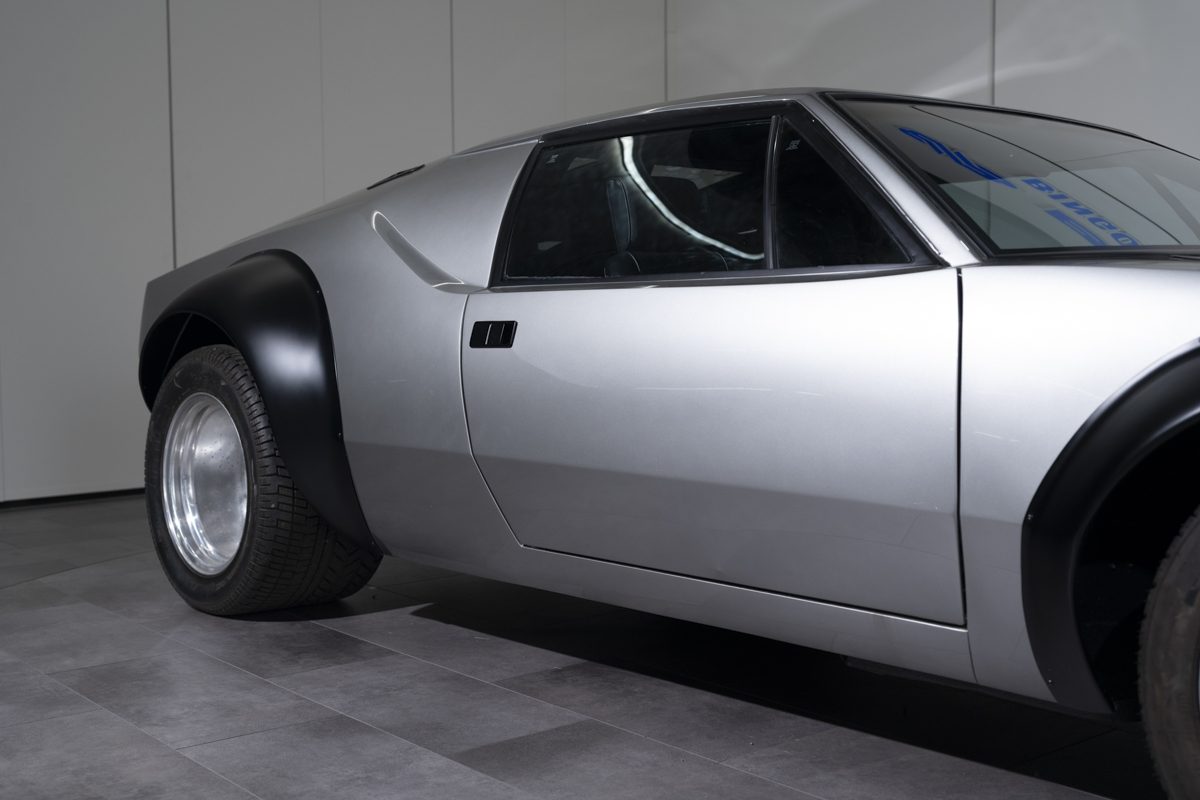
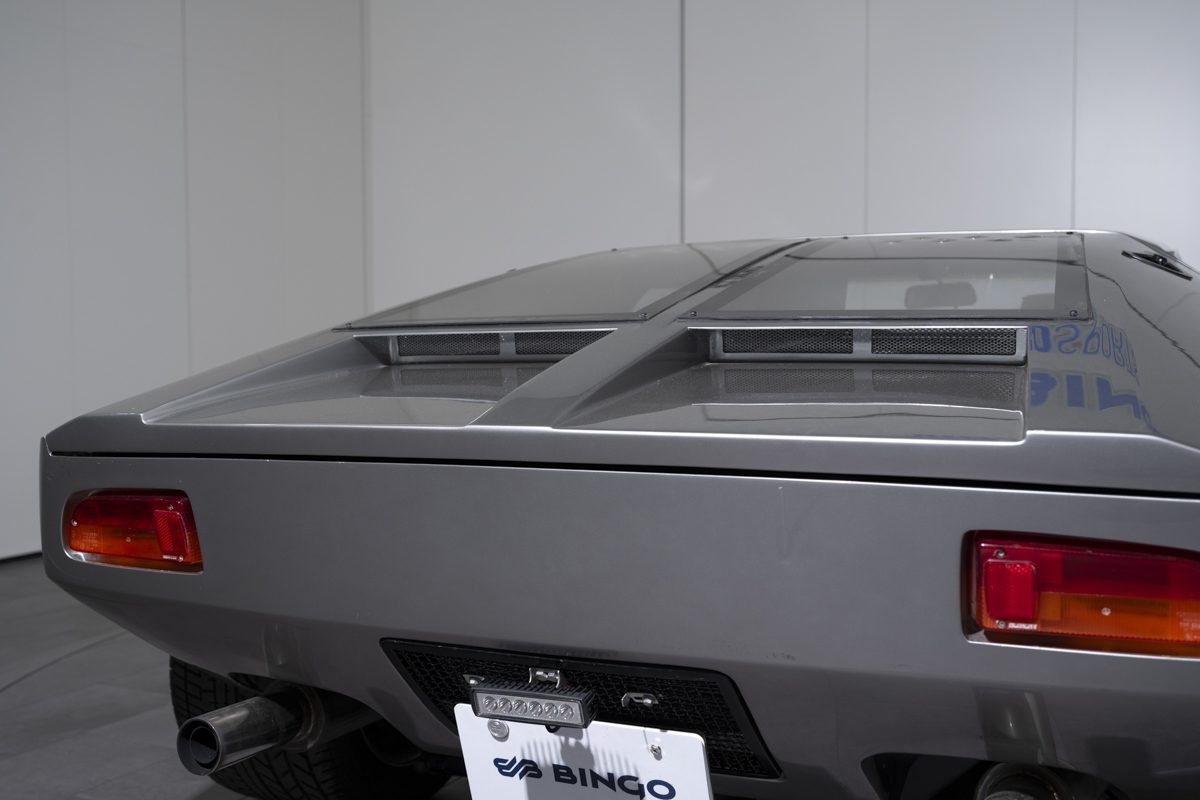
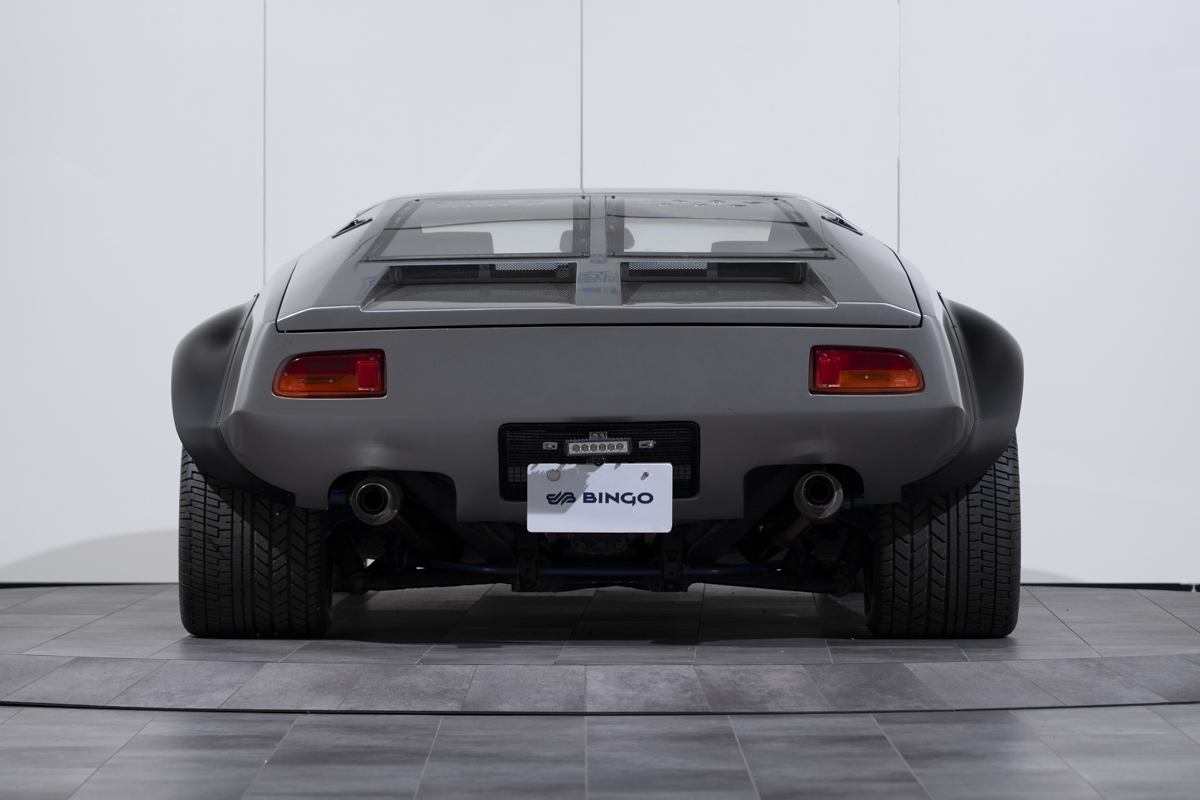
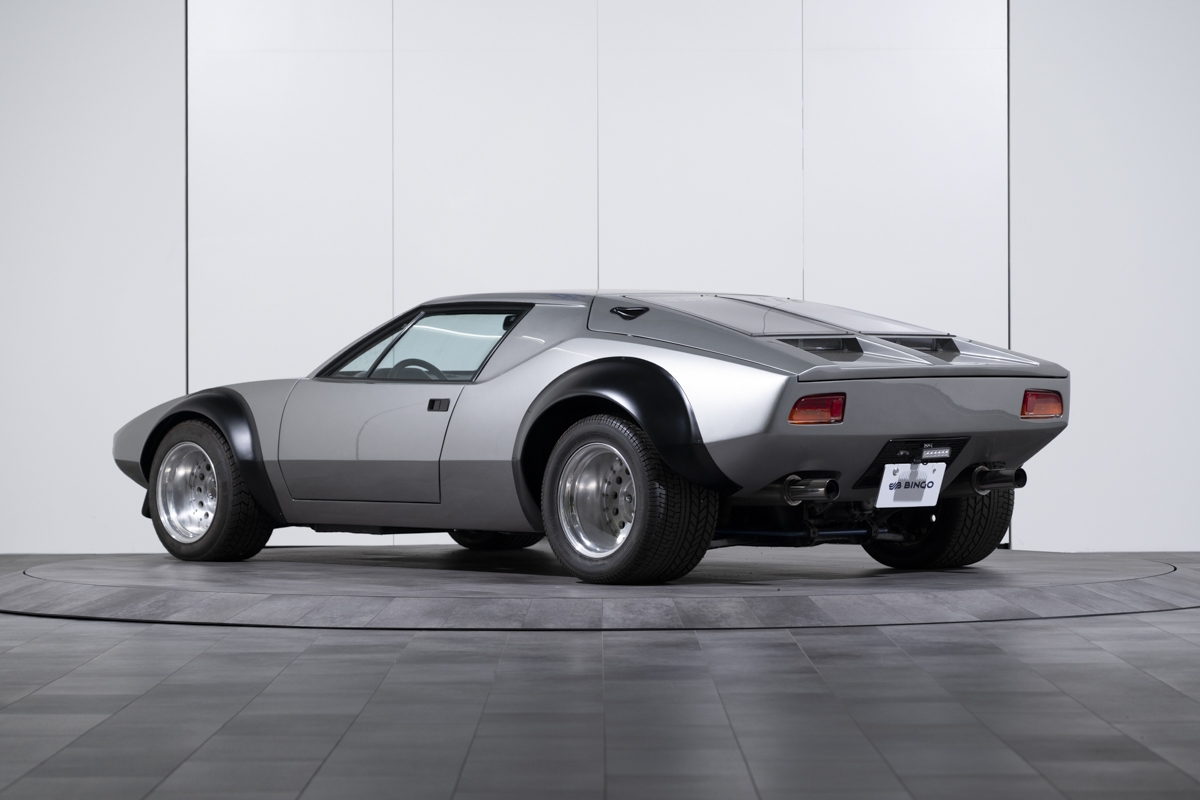
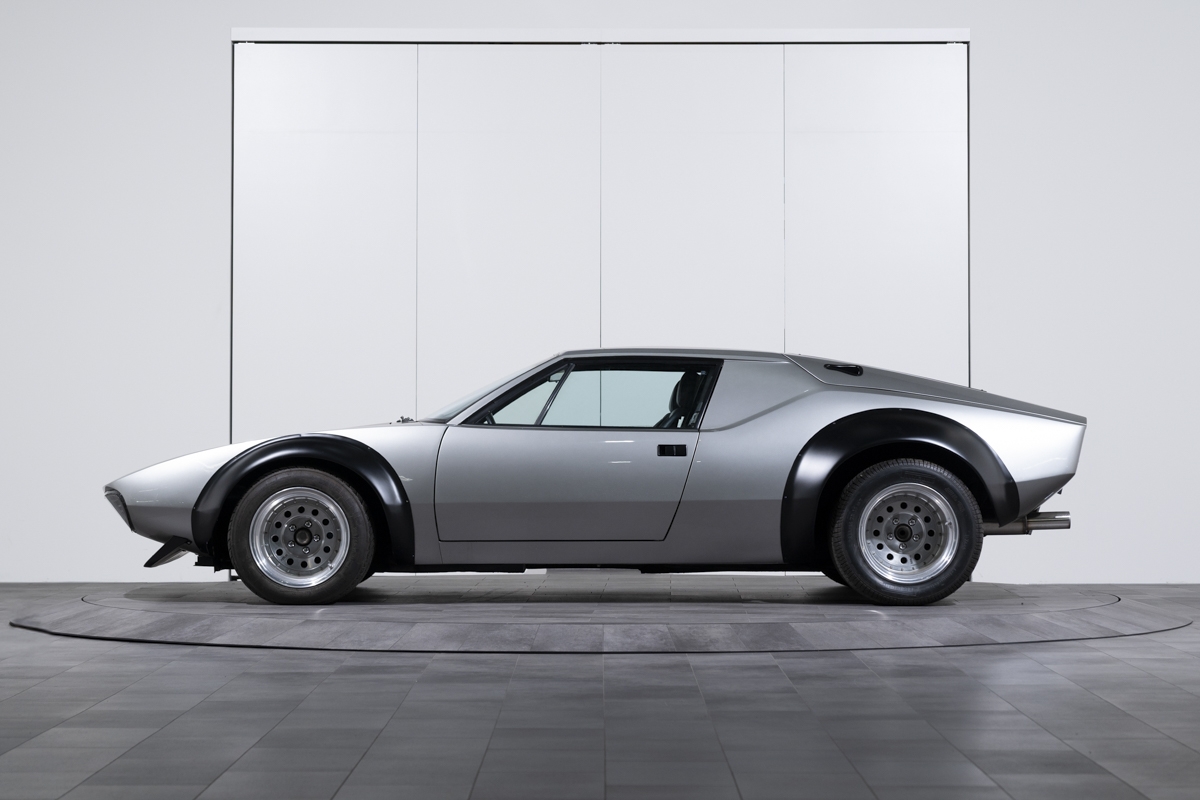
In 1973, the high-performance GTS variant was introduced. While North American-market cars did not receive the high-output 350 hp engine specification available in Europe due to stricter regulations, the GTS nevertheless distinguished itself through wider tires and blacked-out lower bodywork, further emphasizing the Pantera’s dramatic and sporting character.
Although currently carrying an official administrative chassis marking in Japan, this particular example is believed to be an exceptionally distinctive 1973 U.S.-specification GTS, bearing a chassis stamping marked “GT.”
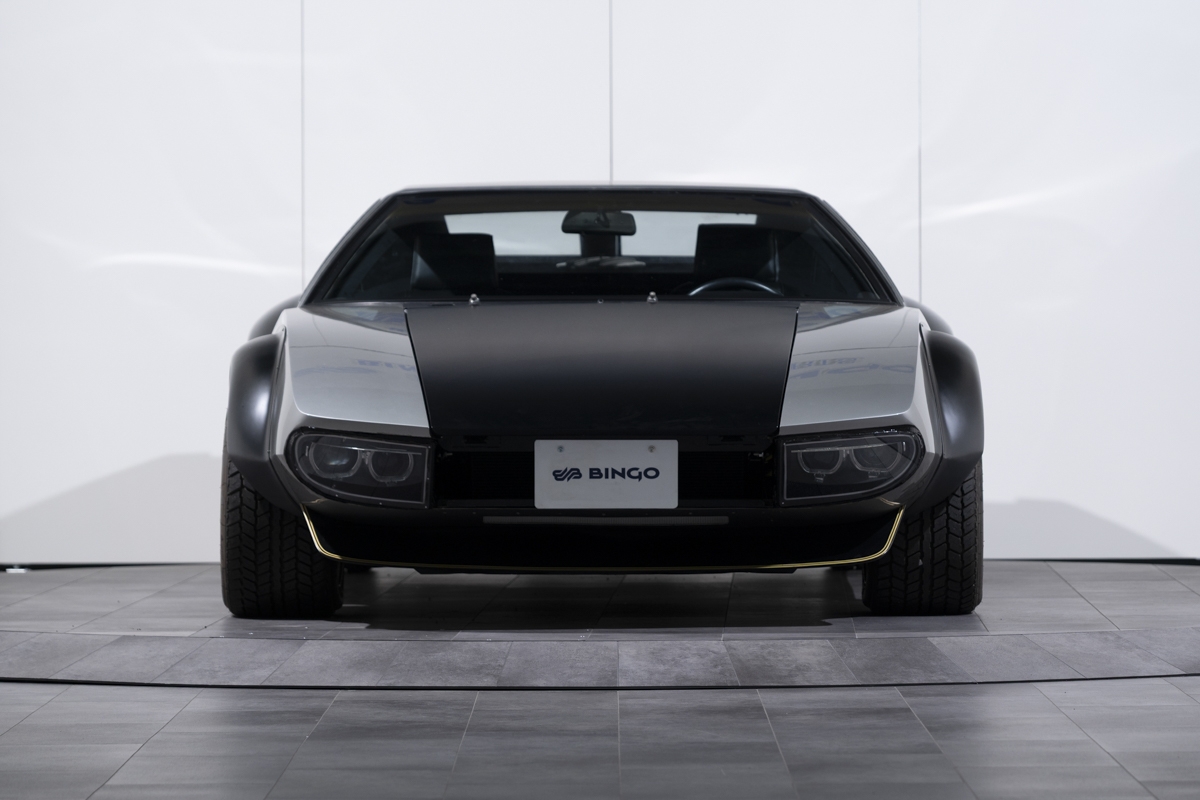
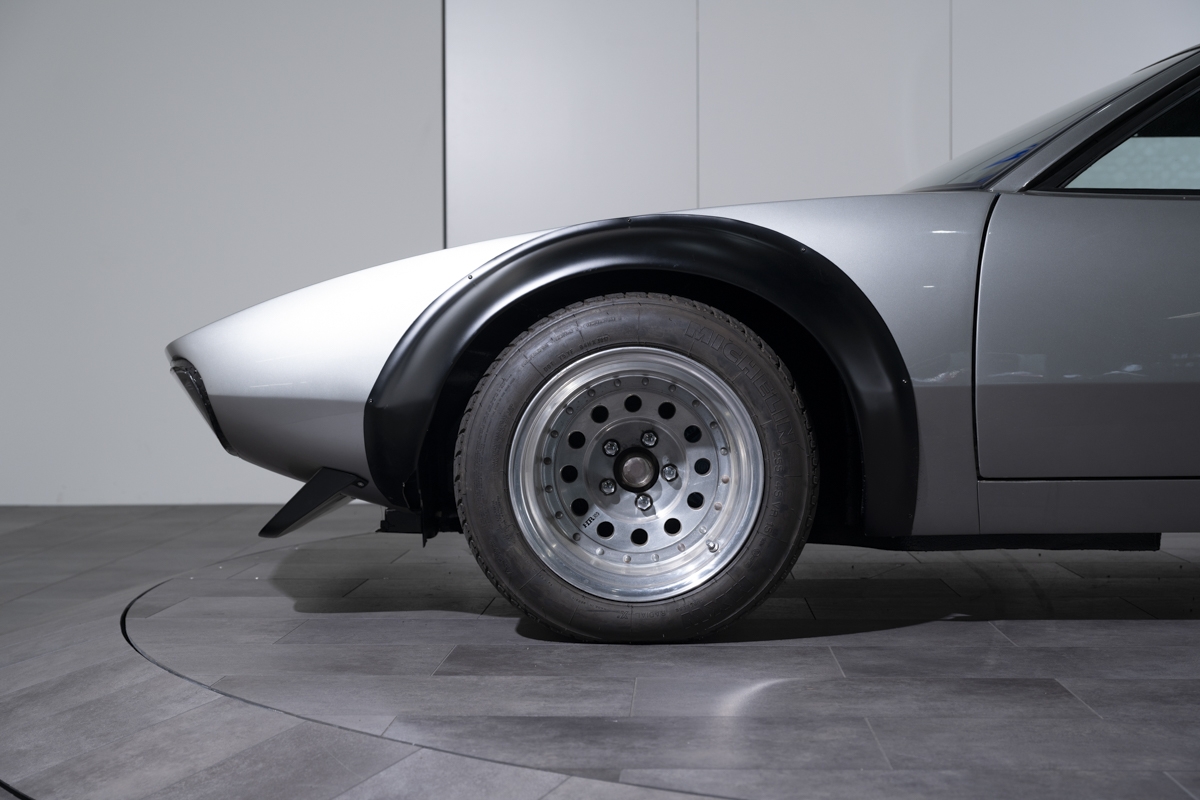
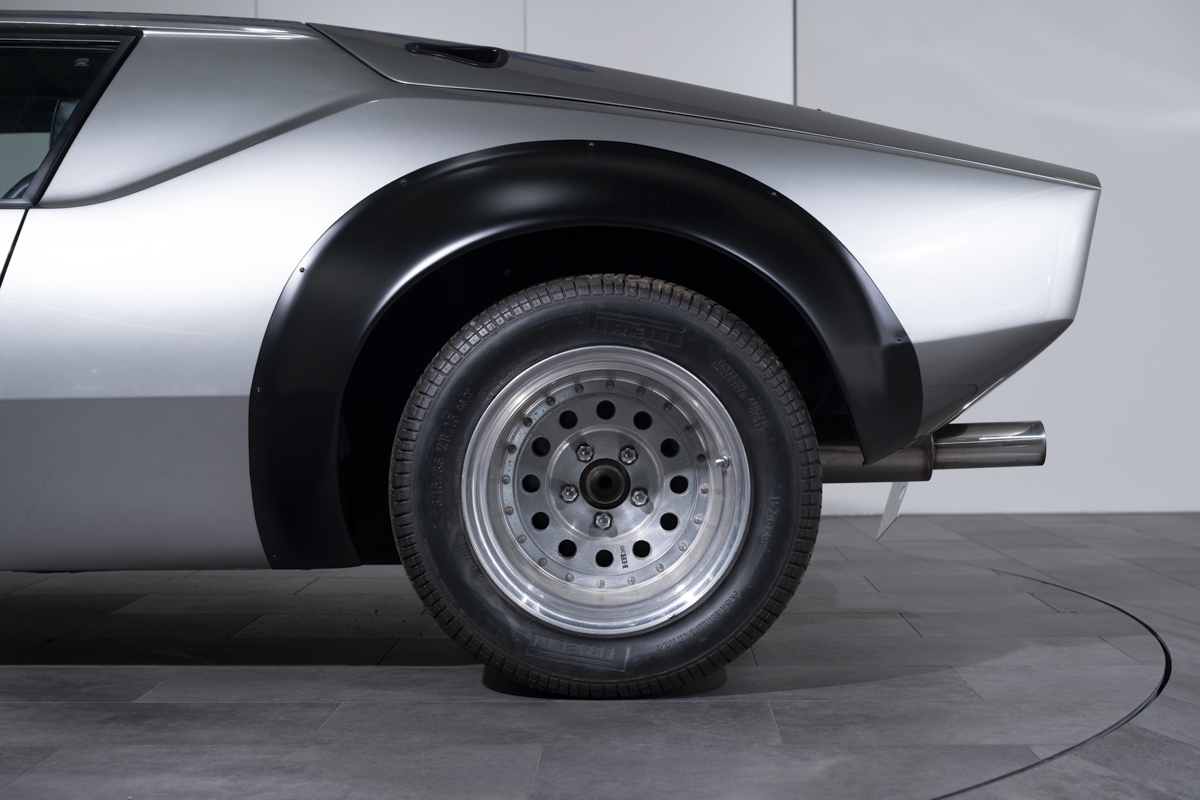
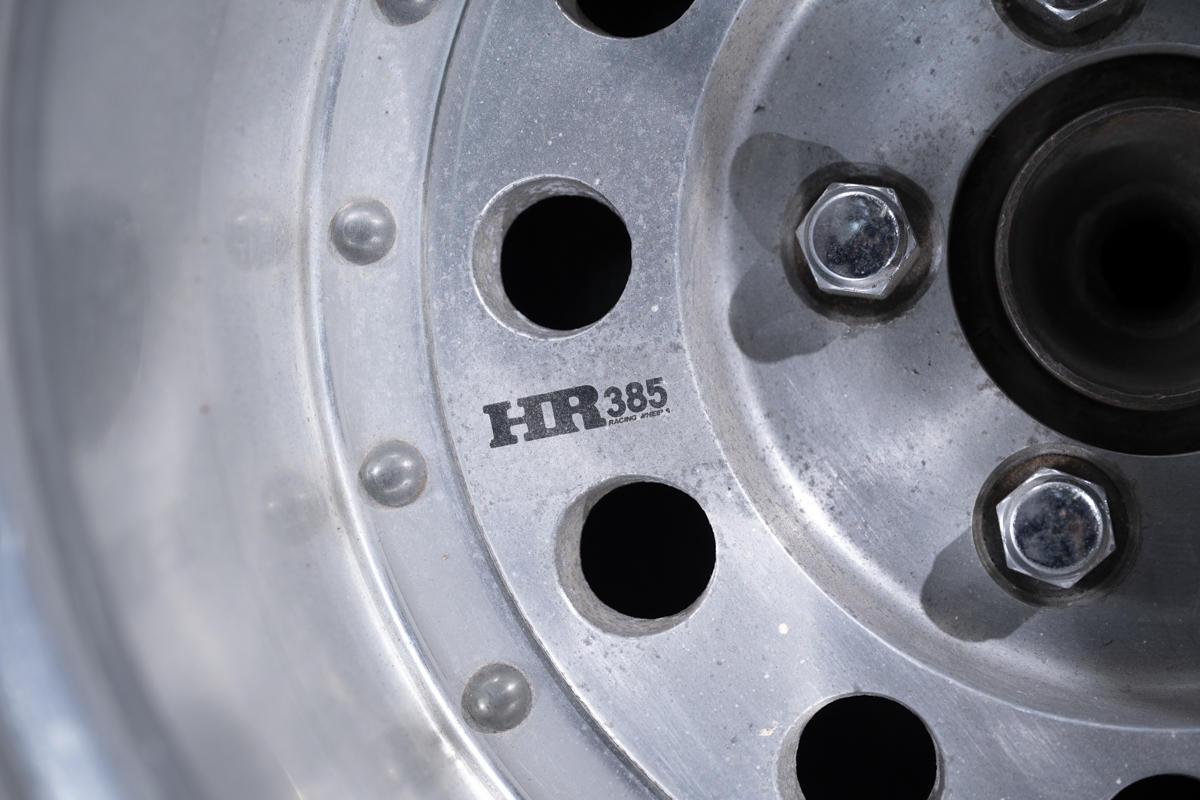
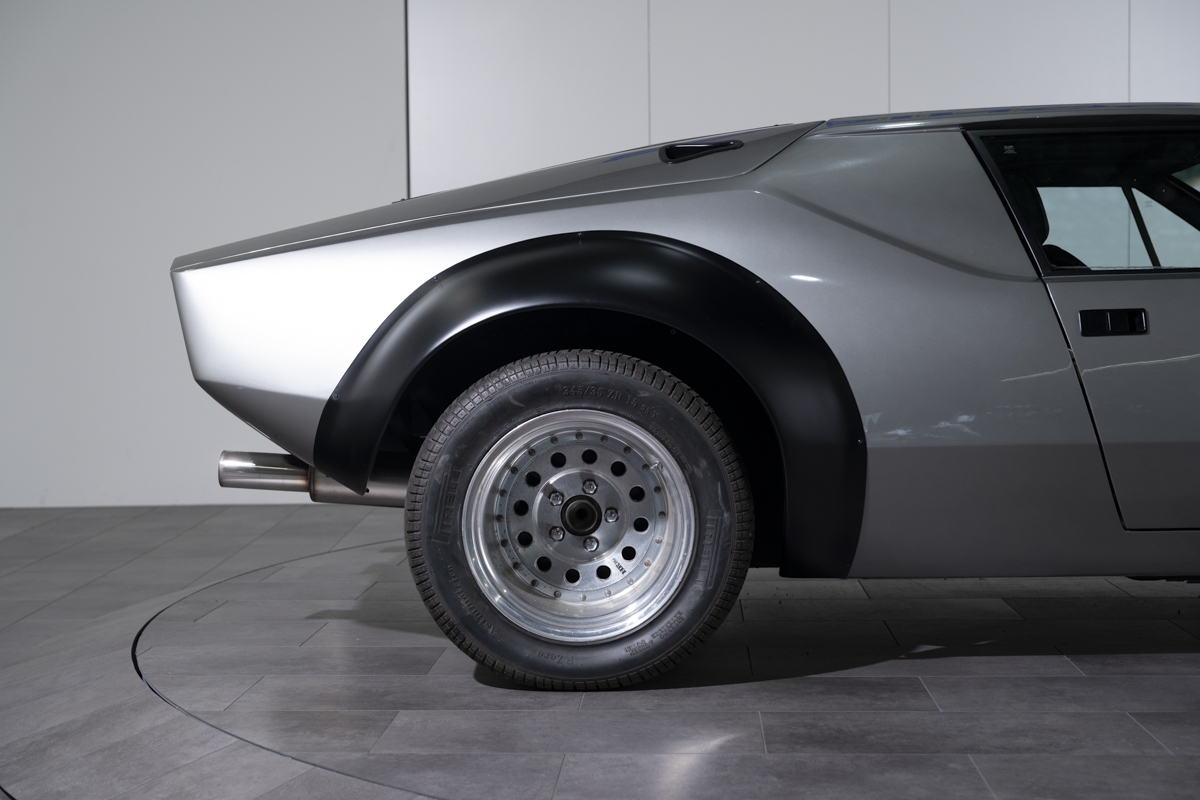
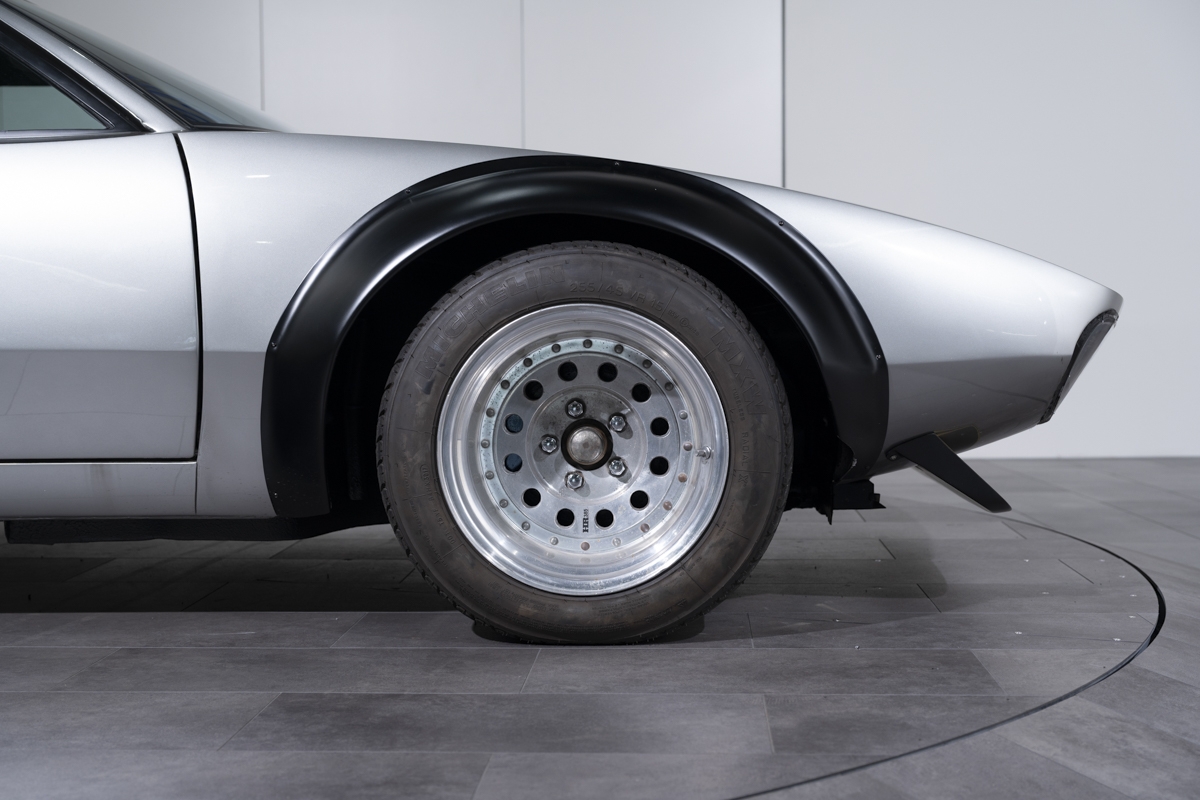
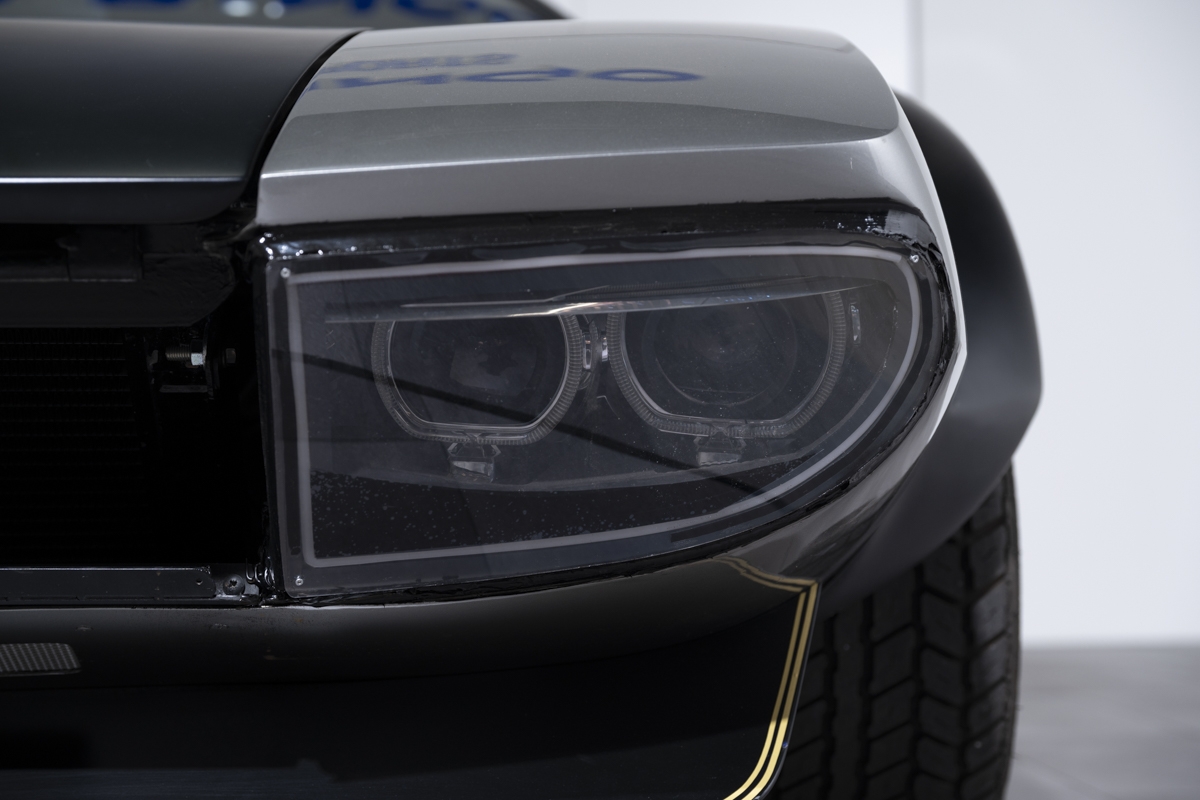
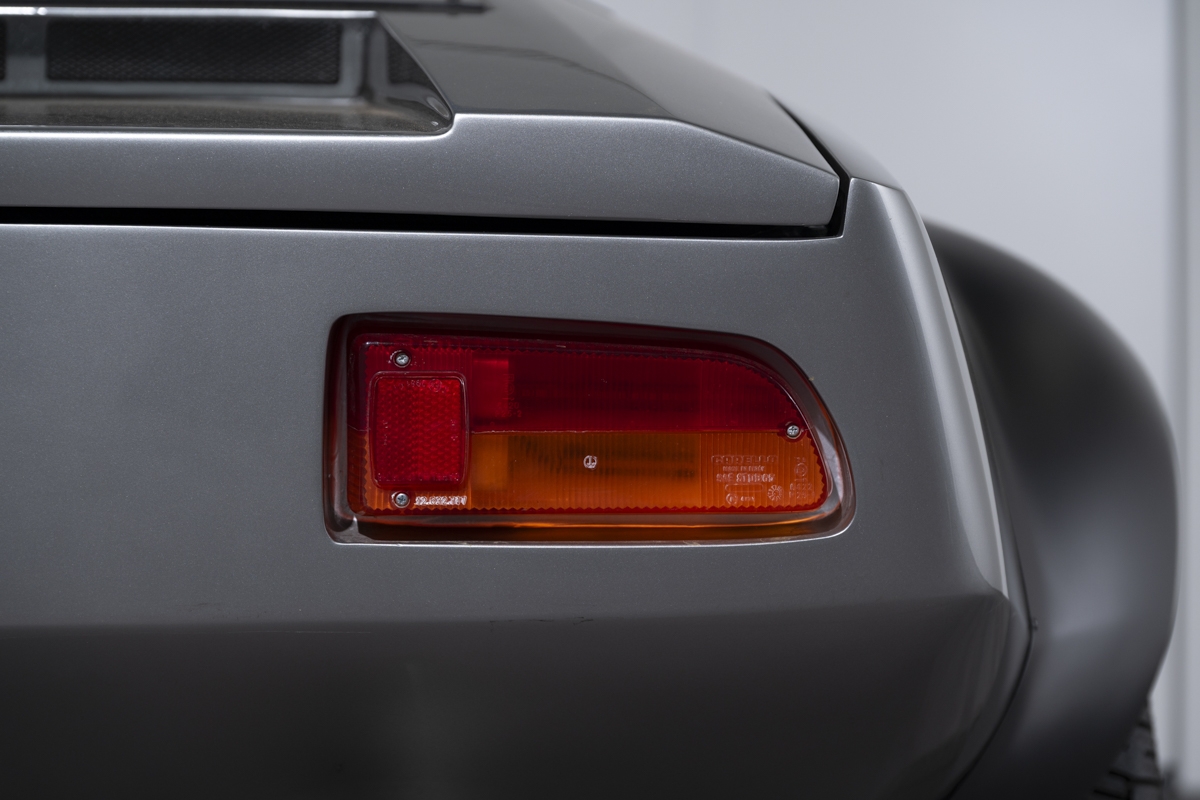
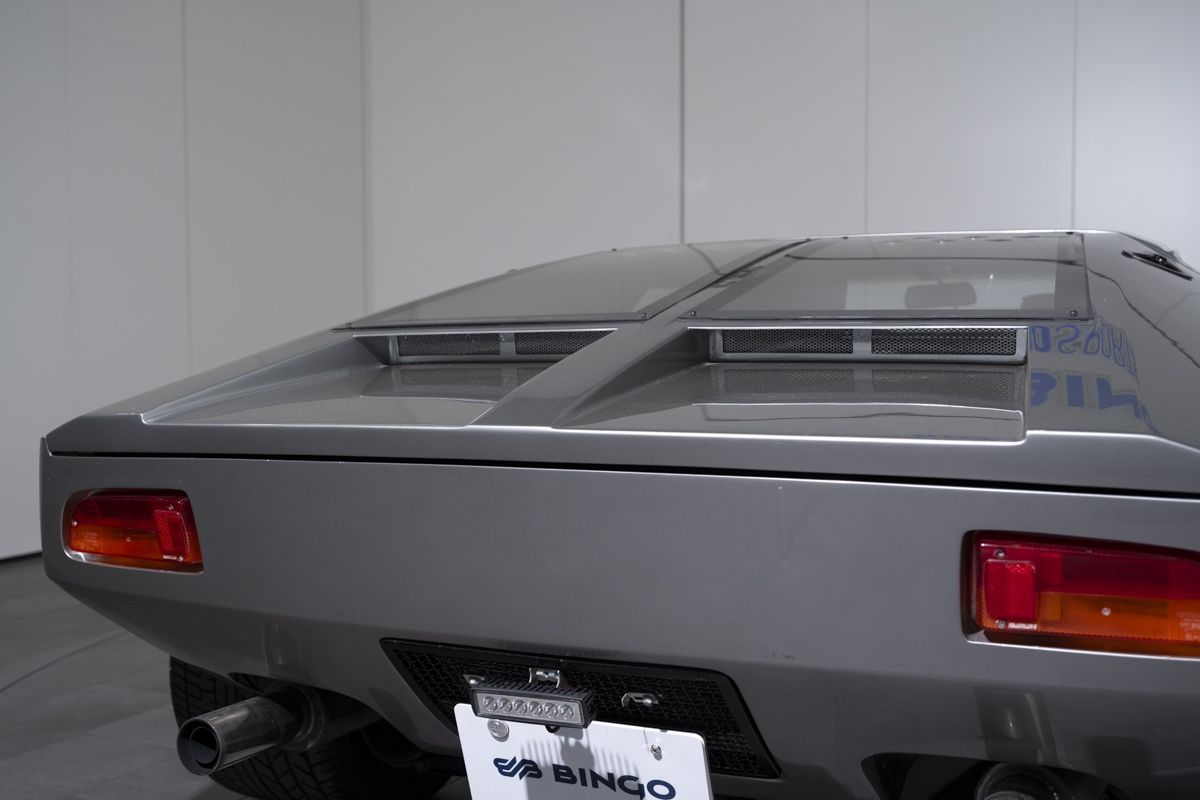
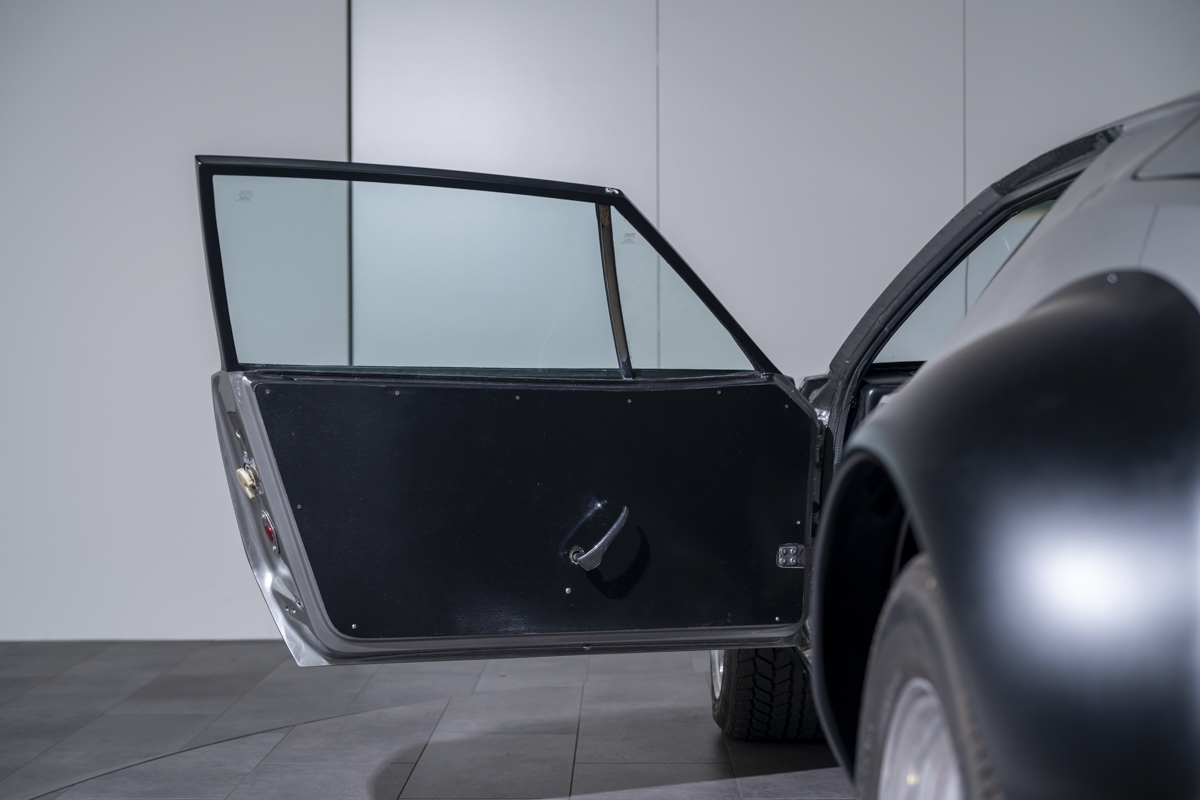
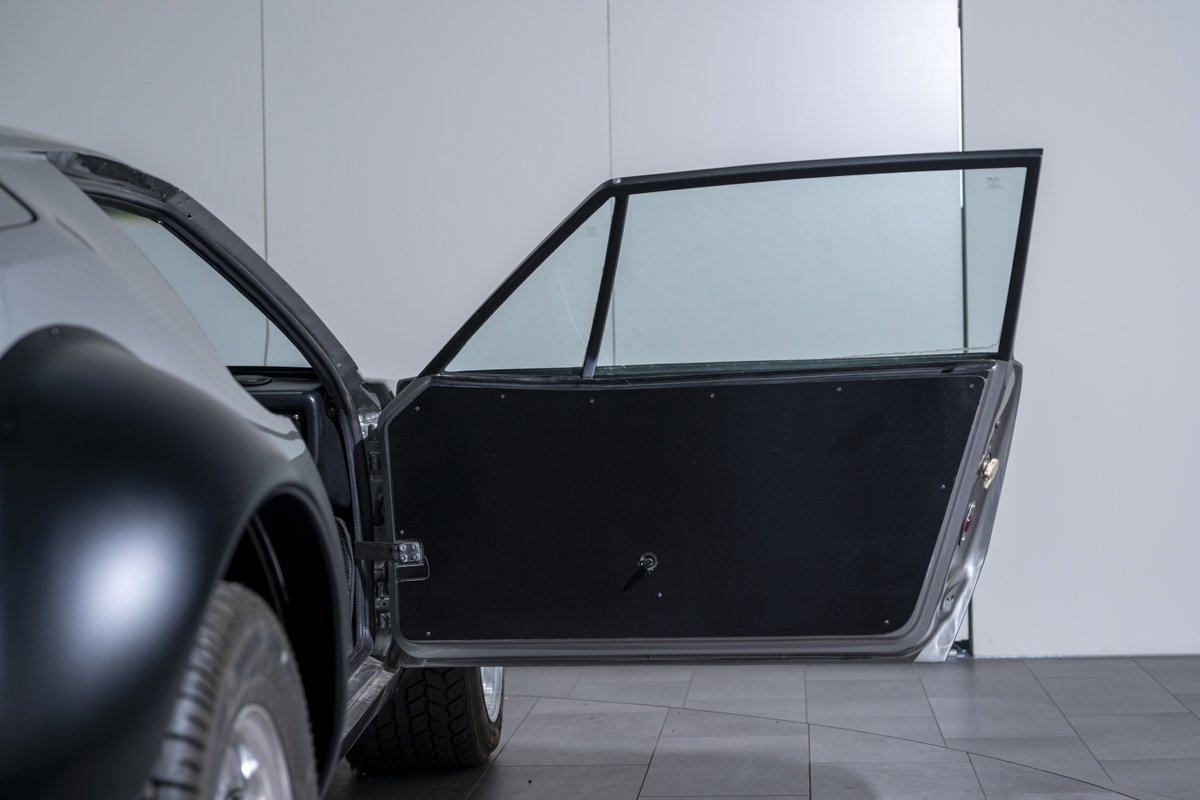
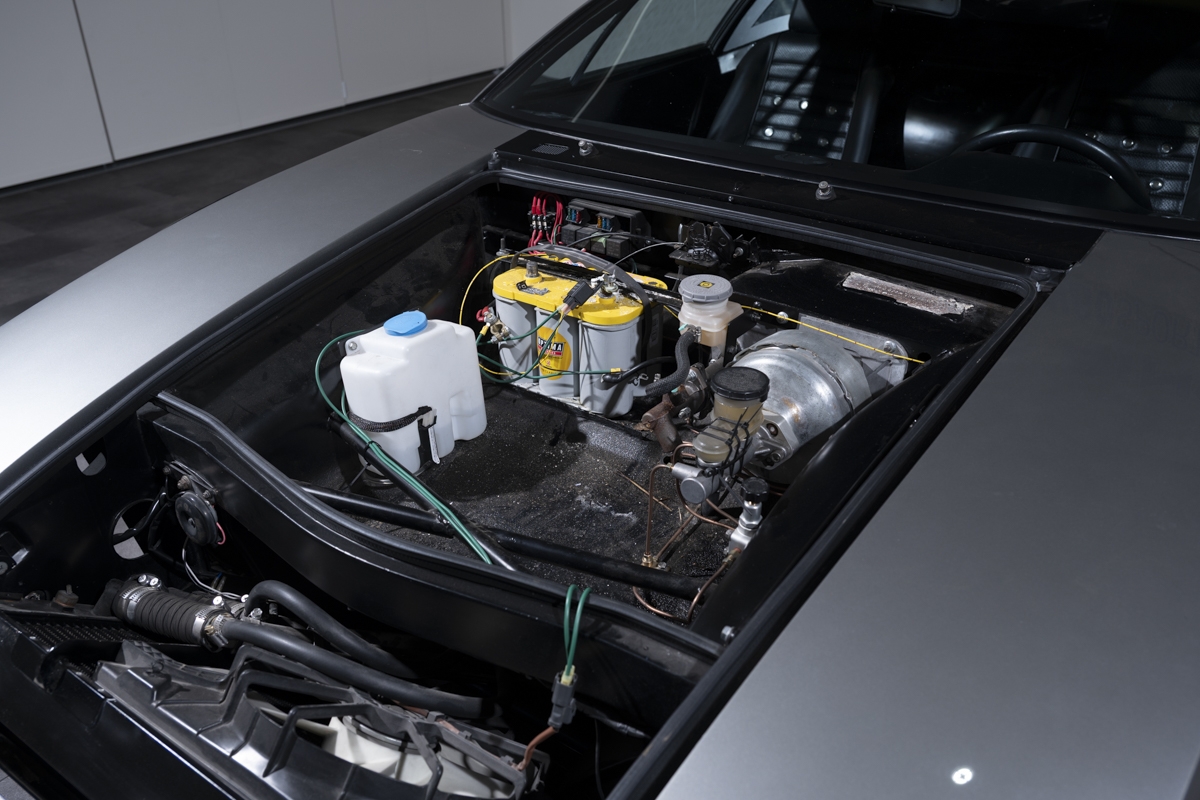
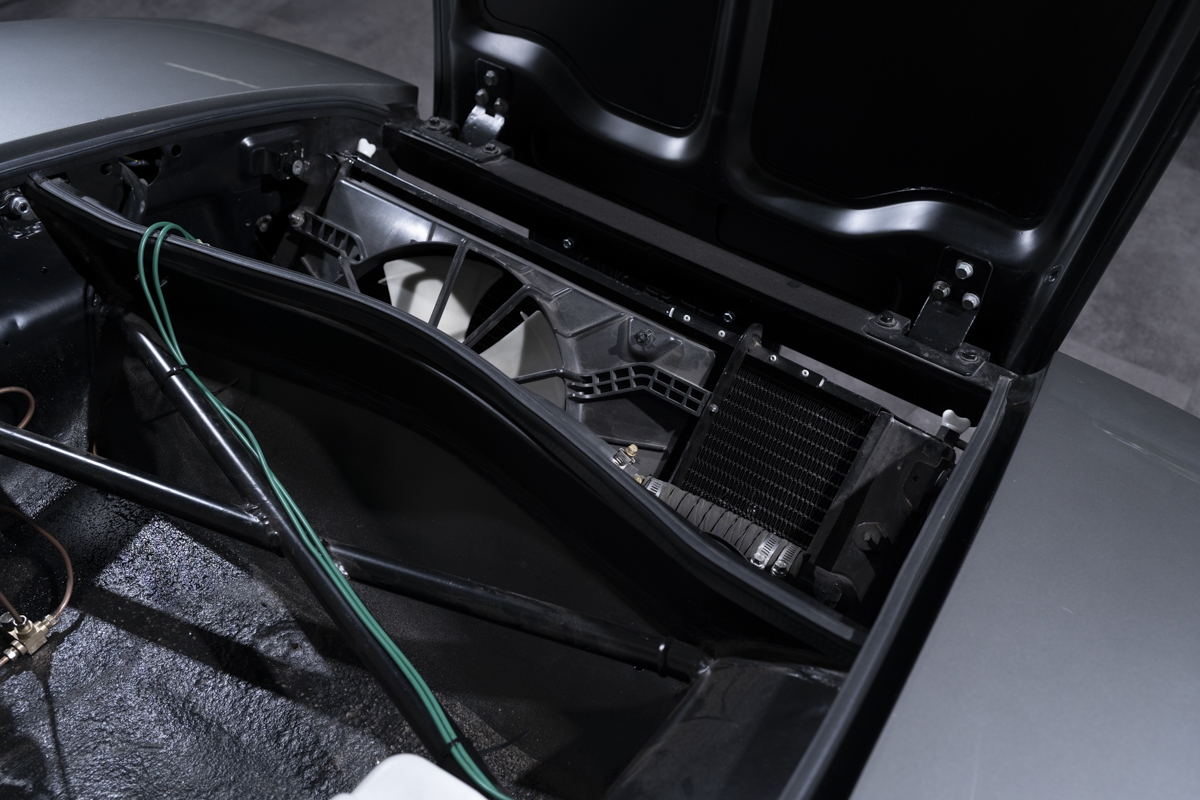
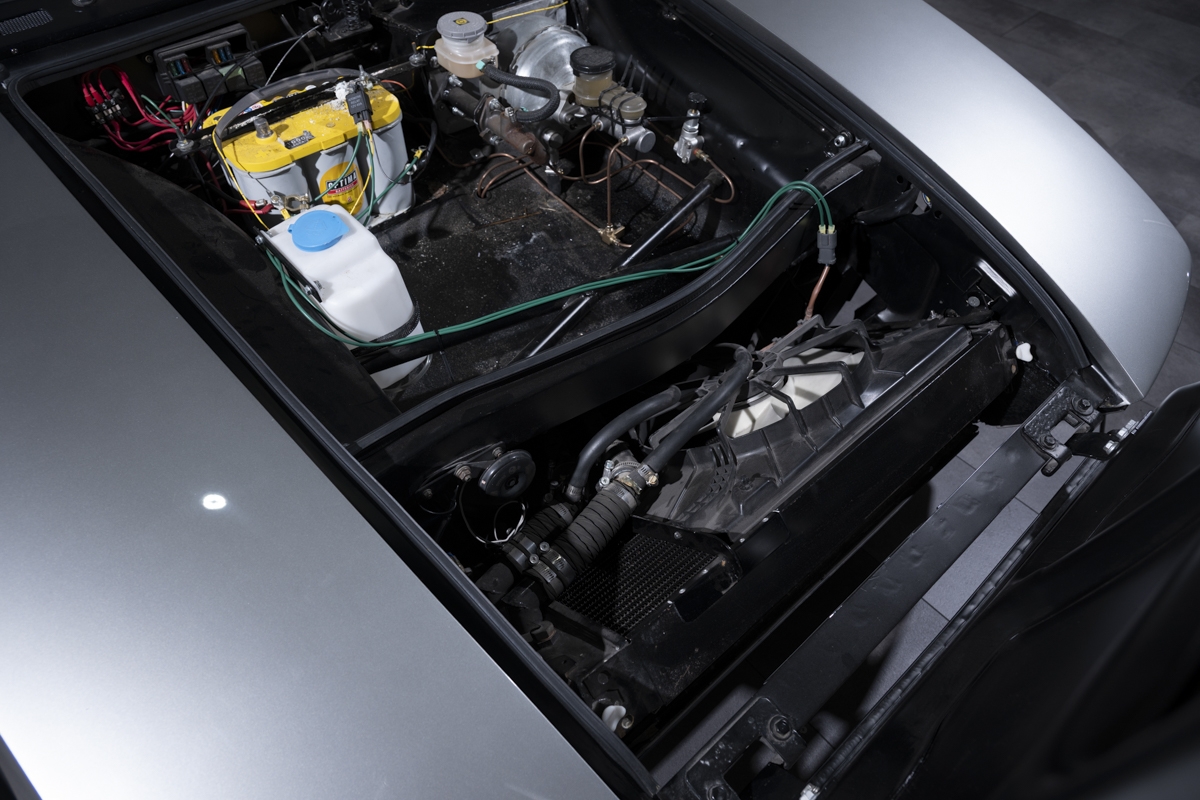
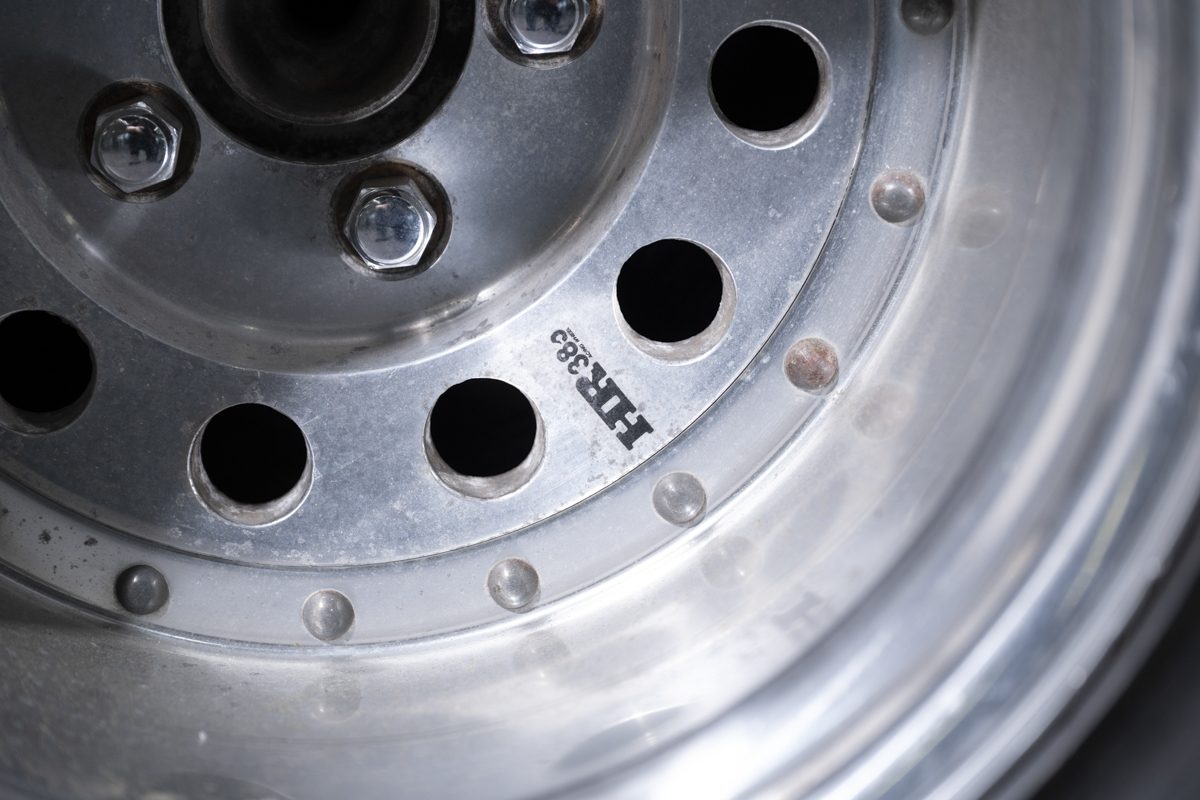
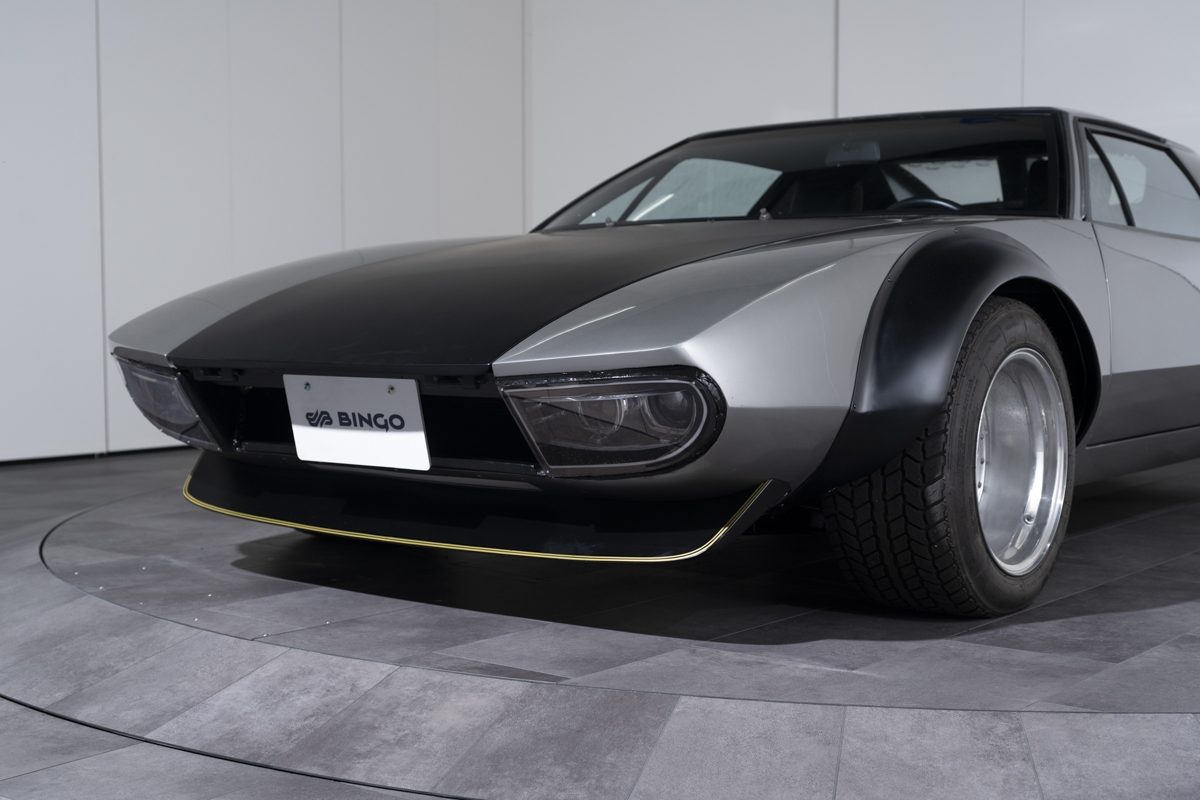
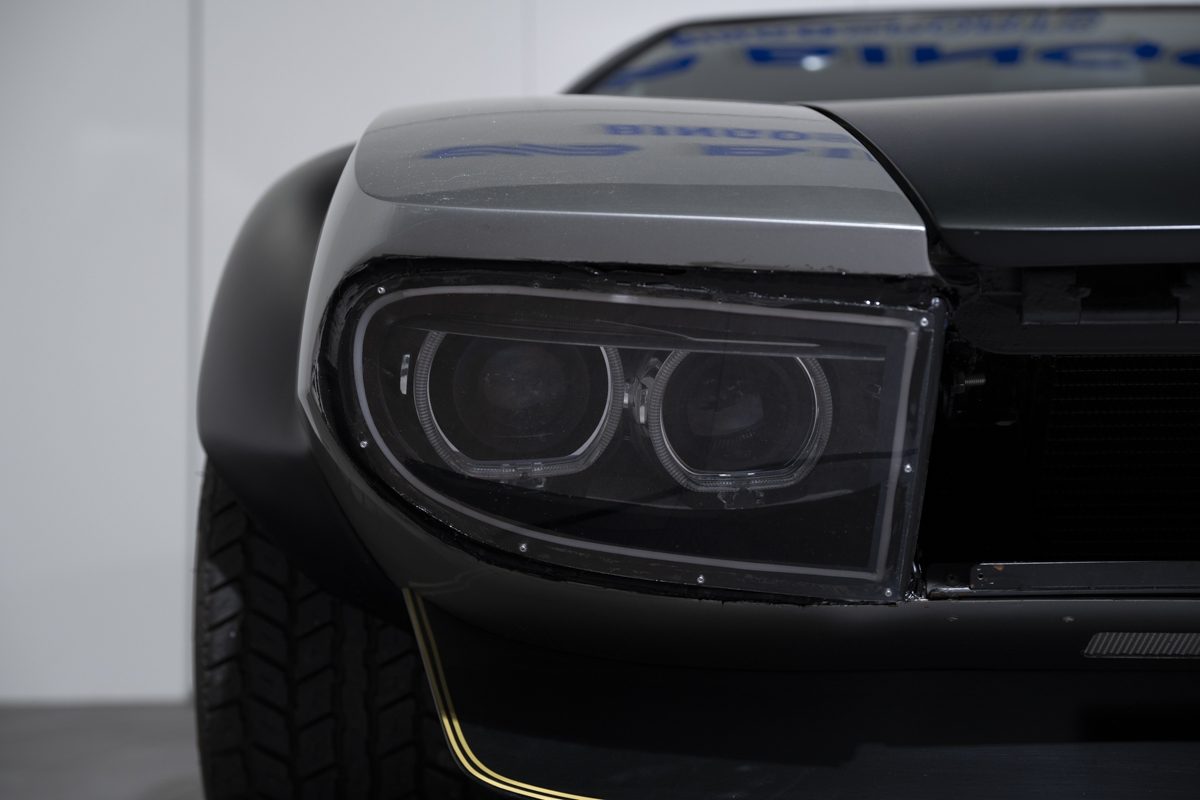
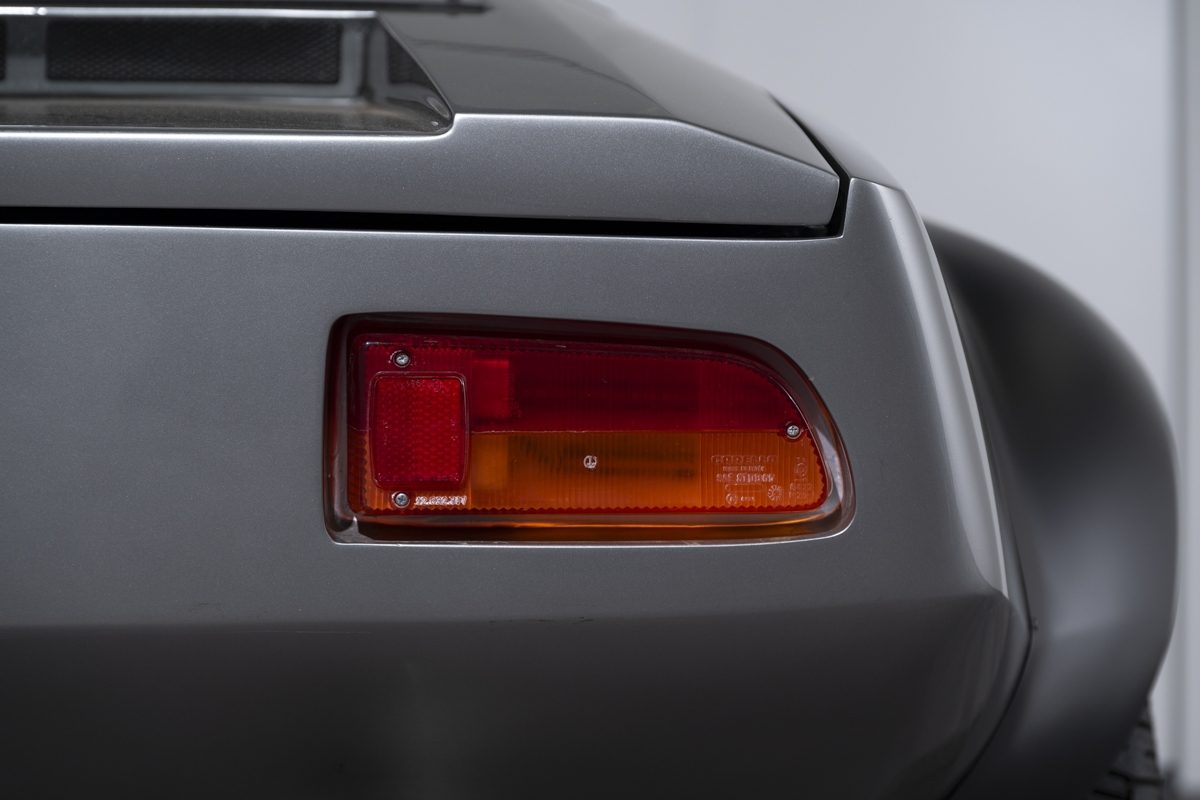
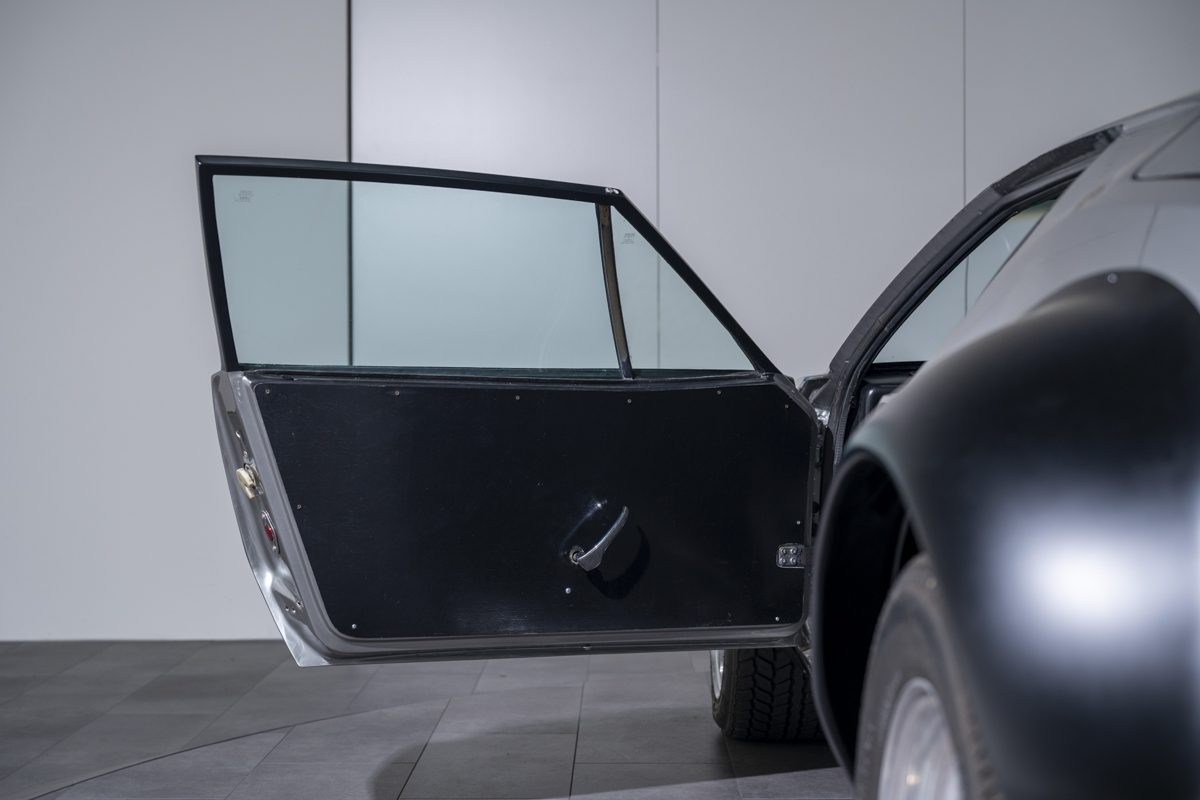
Under previous ownership, the car was modified in the spirit of the legendary Group 4 racing Panteras that competed in events such as the 24 Hours of Le Mans during the 1970s. Dramatic overfenders transform the elegant original silhouette into a far more aggressive, ground-hugging stance. The retractable headlamps have been removed in favor of bespoke one-off headlights, while deep-rim ENKEI HR385 wheels further emphasize the car’s muscular and purposeful character.
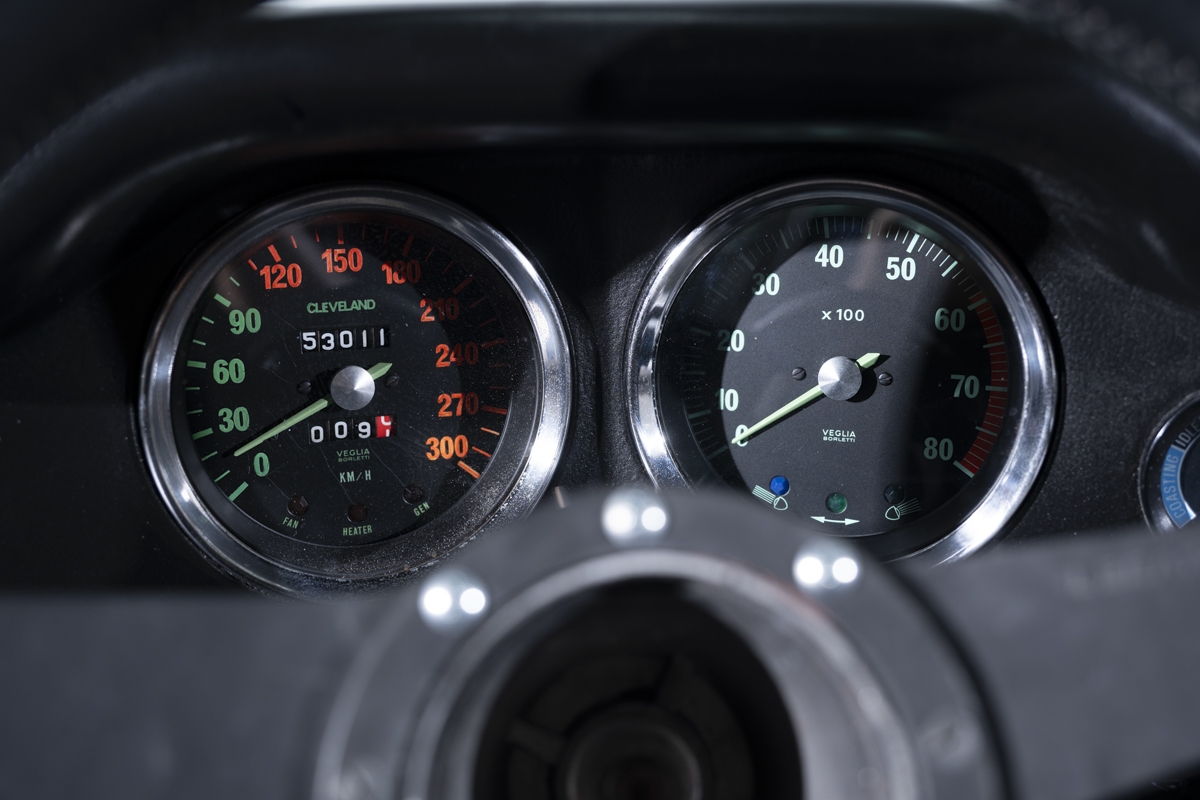
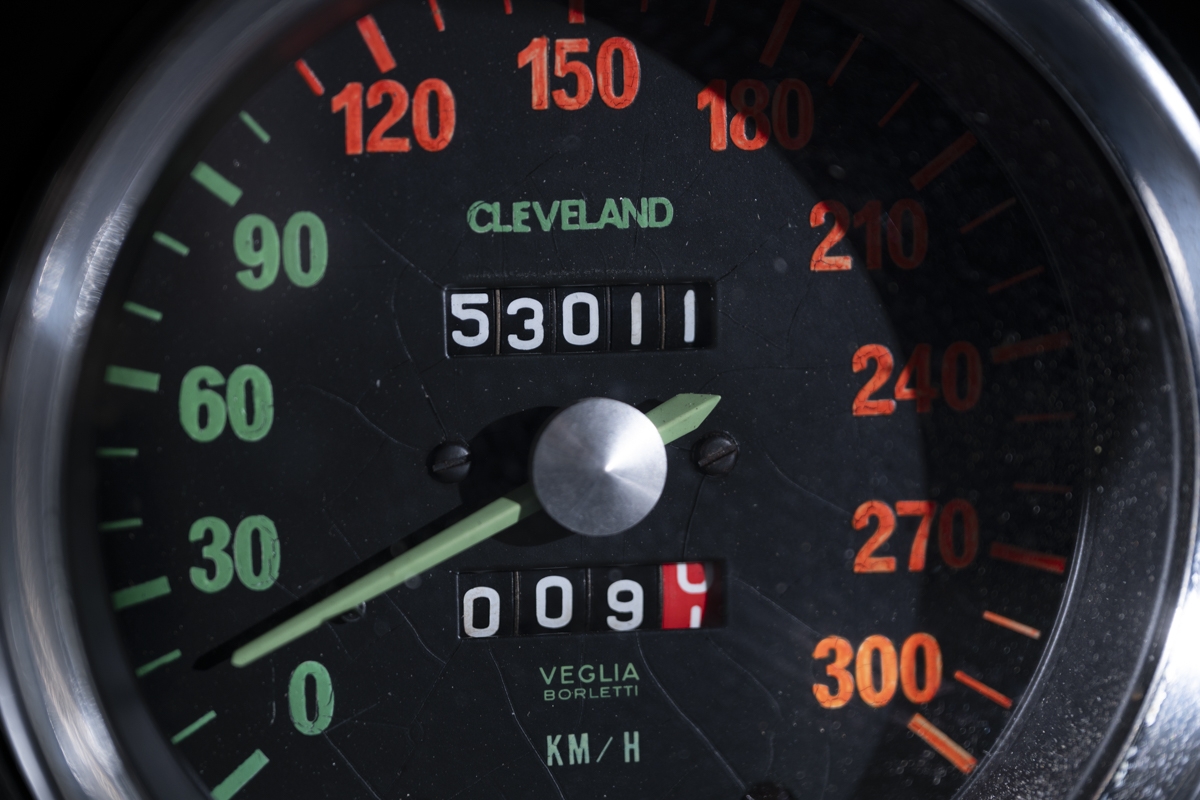
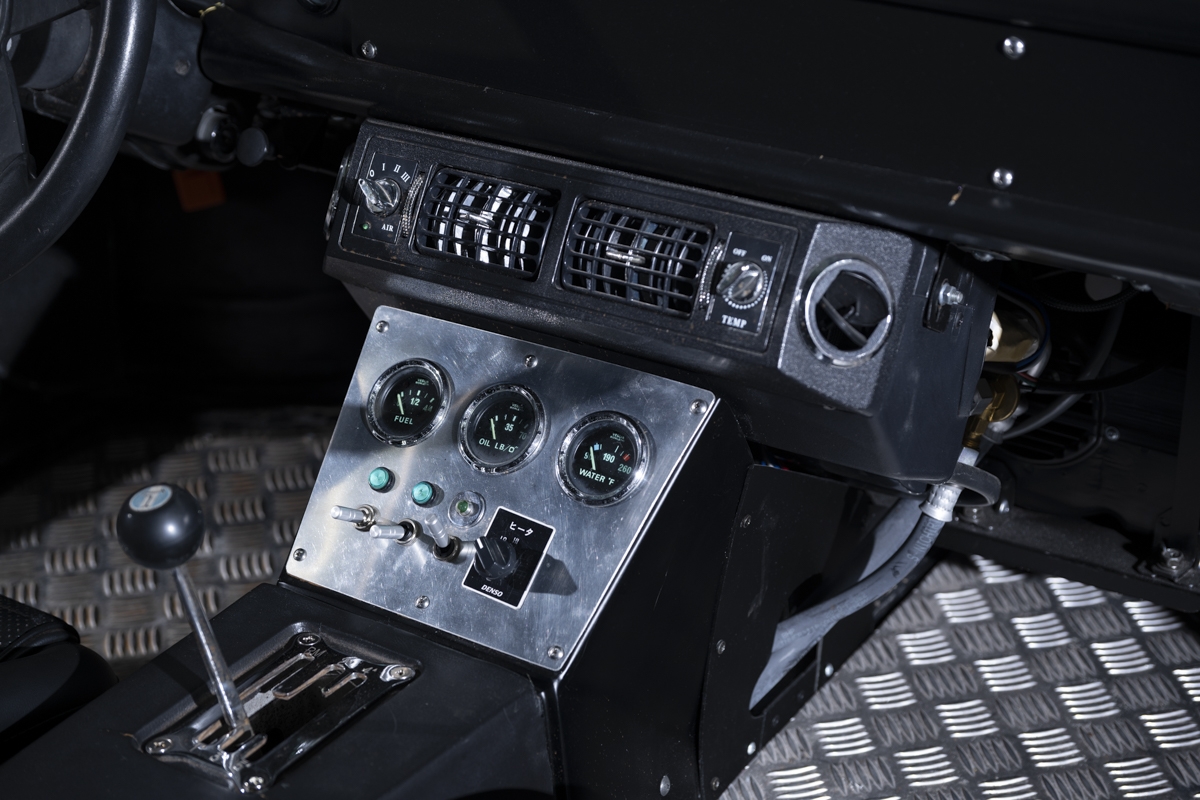
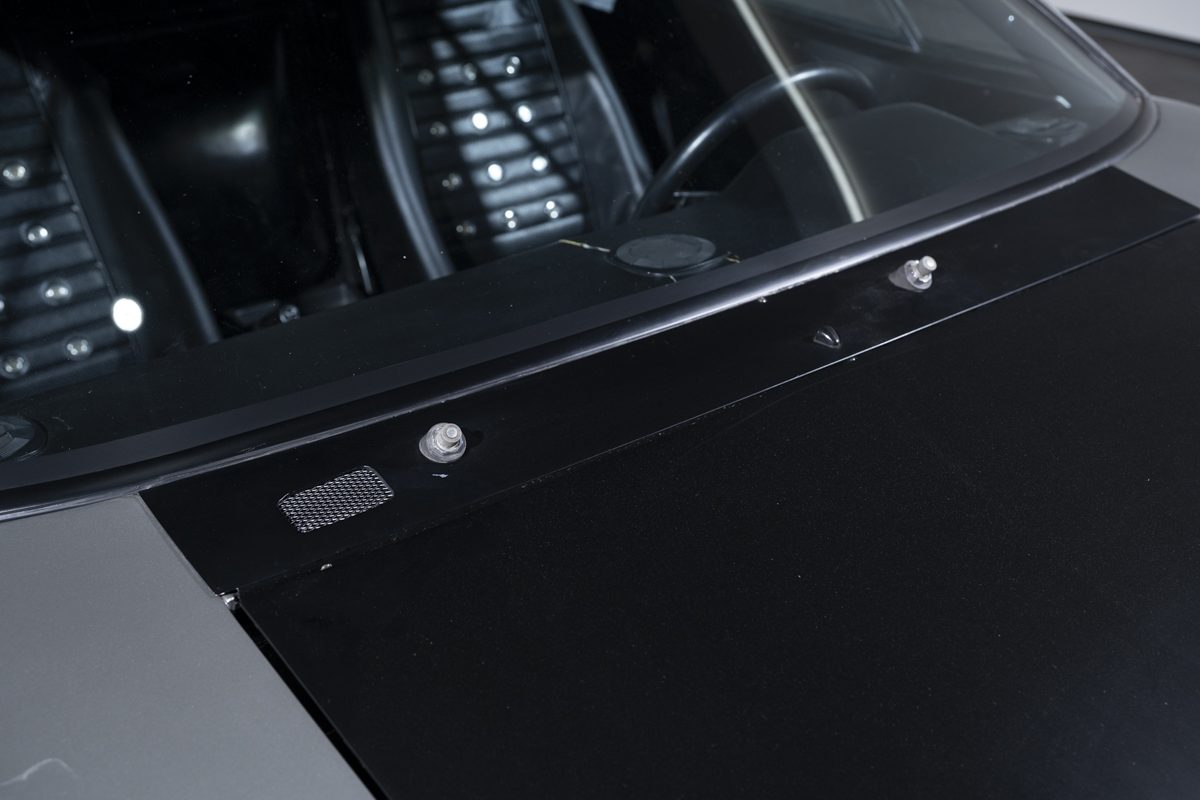
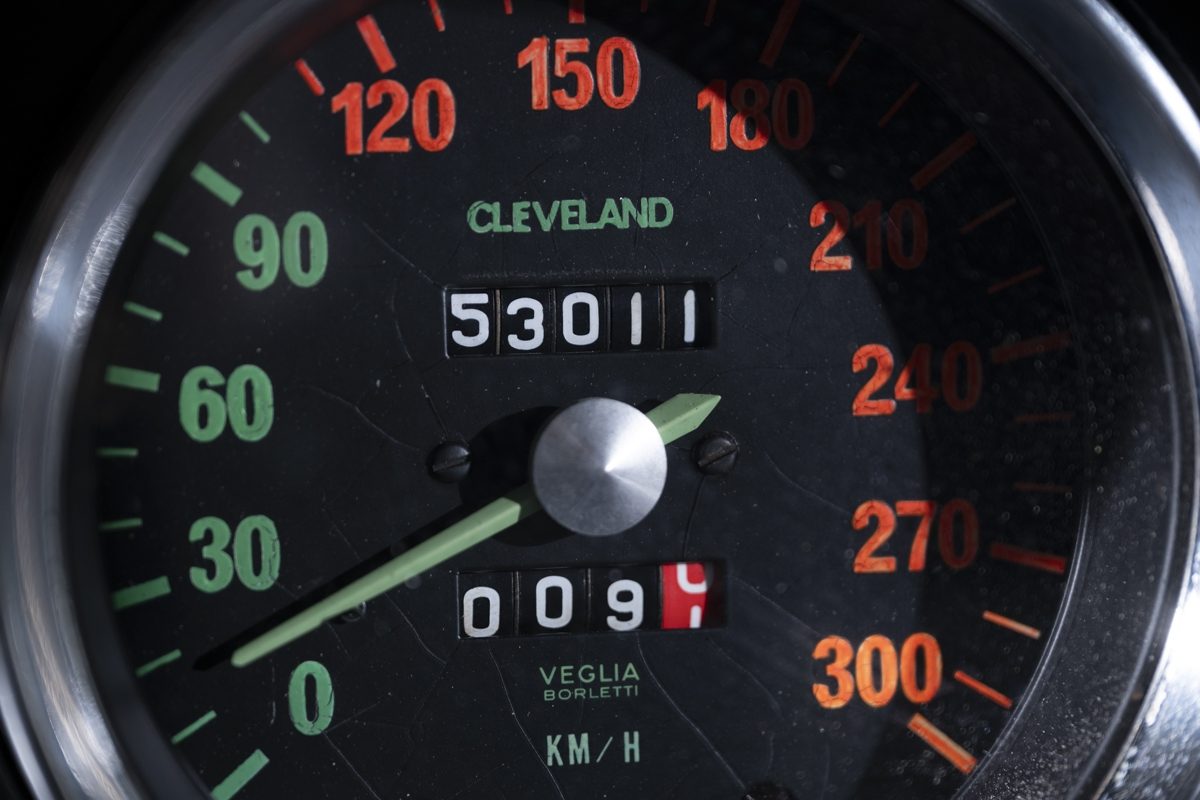
Mirroring its aggressive exterior, the interior has also been extensively modified. While the original gauges remain, the center console has been simplified with only essential instrumentation and switches installed within an aluminum panel, creating a distinctly race-inspired atmosphere.
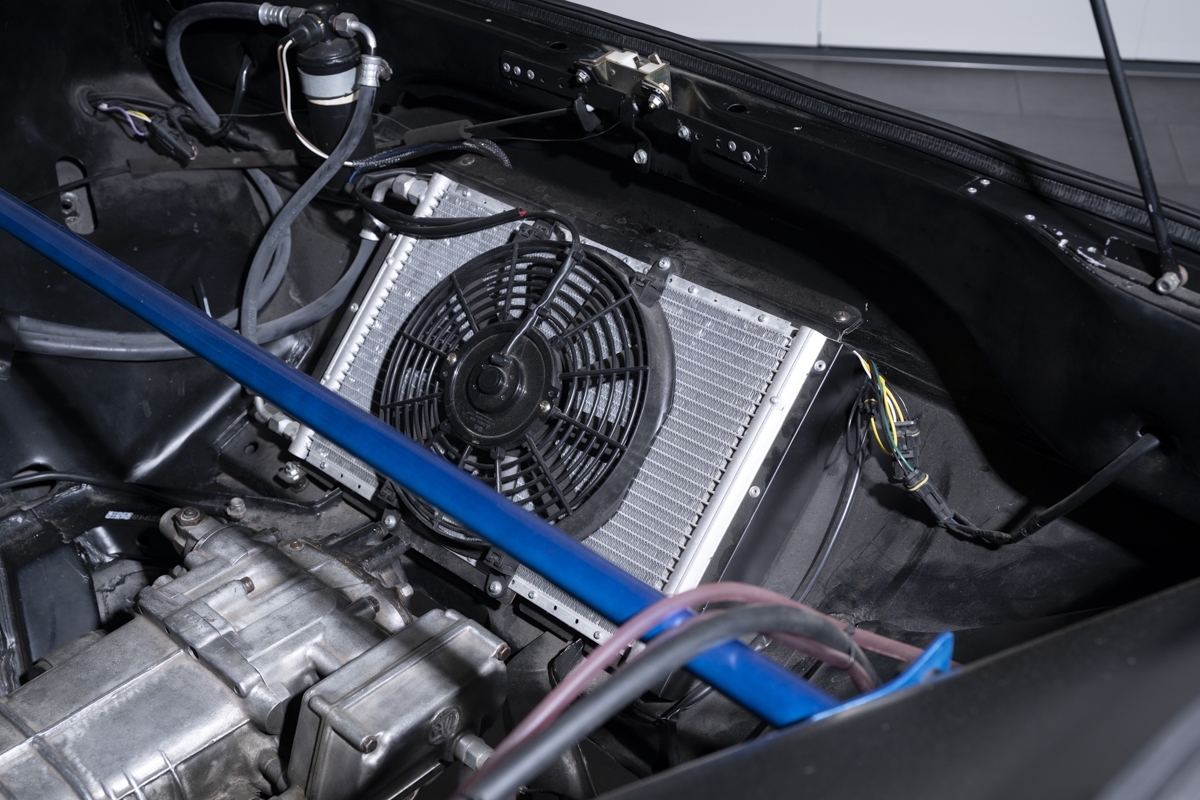
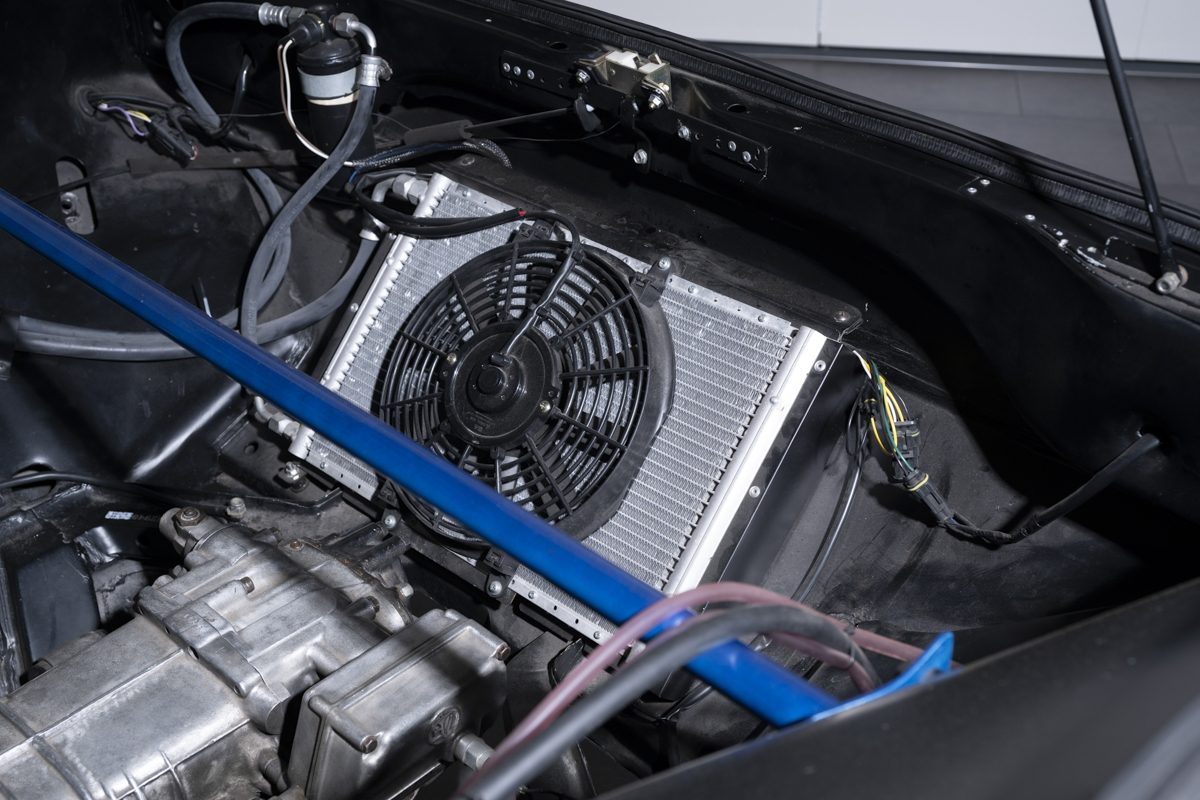
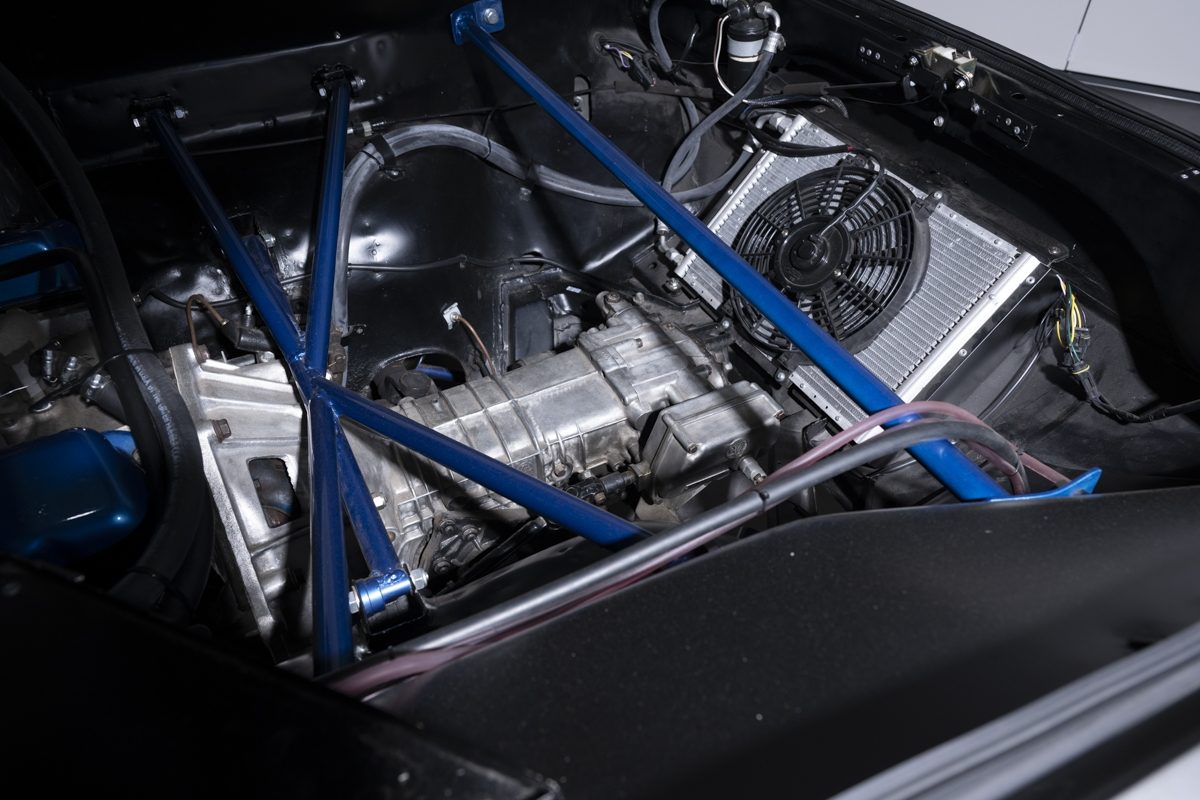
The car retains the traditional ZF 5-speed manual transmission, known for its satisfyingly mechanical shift feel. According to available records, the engine was replaced in Japan in 1996 with a 4.94-liter unit (as listed on the registration document), although detailed specifications remain unknown.
Press the throttle deeply and the experience remains unmistakably Pantera — accompanied by the thunderous soundtrack of a V8 erupting from behind the cabin and the raw, analog satisfaction of accelerating through a gated manual transmission.
This is a Pantera best suited to an enthusiast who appreciates the thrill of mastering and shaping a wild V8 mid-engined machine to their own taste.